
The Future of Eco-Living: Why Green Communities Matter
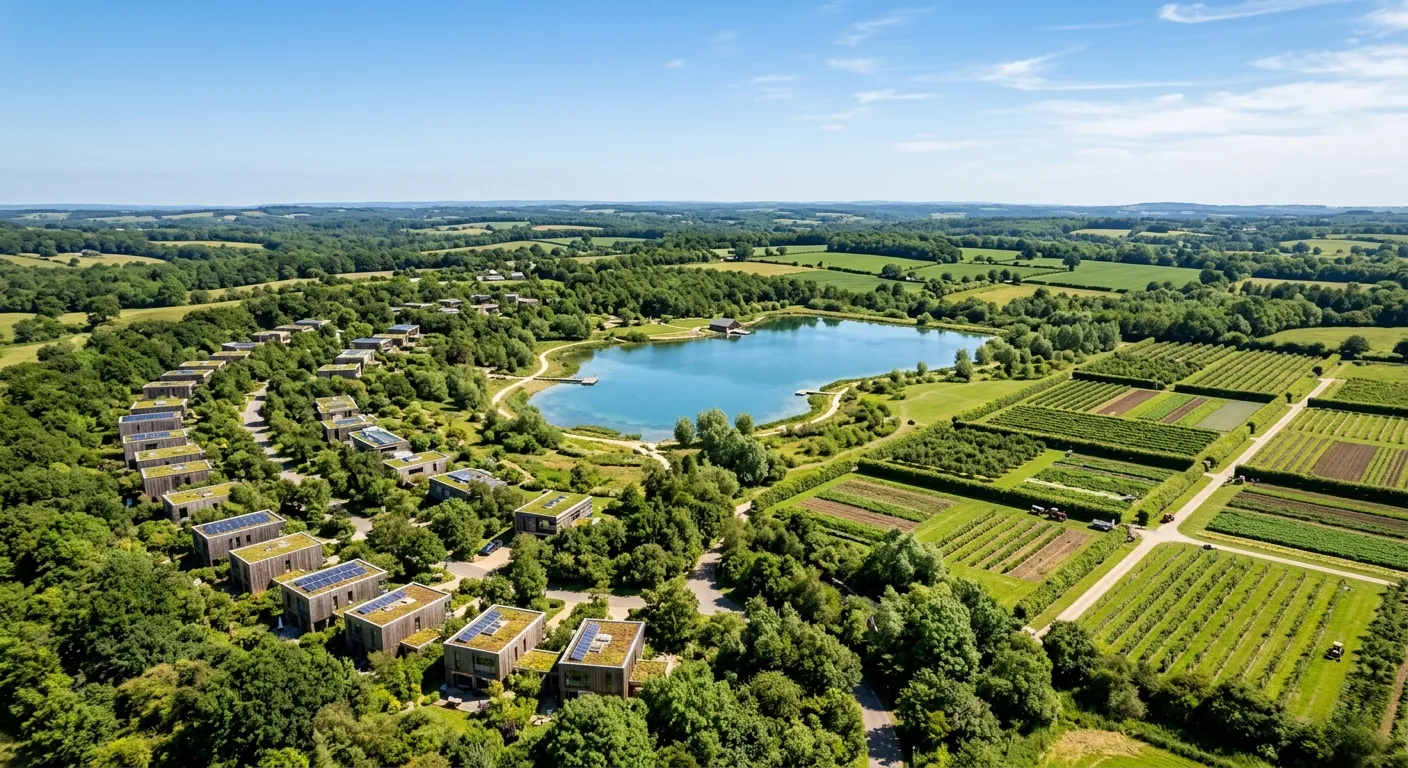
As metropolitan skylines expand at a breakneck pace and our daily routines become increasingly saturated with digital noise and urban congestion, a profound collective awakening is taking place. People are fundamentally rethinking not just how they live, but where they live. Eco-living has decisively transcended its status as a niche architectural trend—it has become an absolute, non-negotiable necessity for a healthier, more resilient future. Green communities are rapidly emerging as the ultimate sustainable alternative, flawlessly balancing the comforts of modern, premium living with uncompromising environmental responsibility.
This massive paradigm shift is redefining real estate value across the globe. We are moving away from hyper-dense concrete jungles toward expansive, nature-integrated sanctuaries. Here is an in-depth exploration of why eco-living truly matters, how managed green communities are actively shaping the future of human habitation, and why they are quickly becoming the preferred asset class for visionary families, high-net-worth investors, and future generations.
1. What Is Eco-Living?
What exactly constitutes eco-living in the modern era? At its core, it is a holistic, intentional philosophy focused on drastically reducing our environmental footprint while simultaneously elevating our daily quality of life. It completely rejects the outdated notion that luxury requires ecological sacrifice. Instead, eco-living encourages the mindful use of natural resources, highly sustainable construction methodologies, and a deeply rooted connection with the earth.
- Responsible Land Use: Designing spaces that work with the natural topography rather than bulldozing it.
- Resource Efficiency: Maximizing energy and water conservation through smart, passive design.
- Waste Reduction: Implementing robust recycling and organic composting systems at the source.
- Ecological Harmony: Coexisting with local flora and fauna, enriching the local ecosystem rather than displacing it.
2. Rise of Green Communities in India
In India, particularly around hyper-growth tech and economic hubs like Bangalore, we are witnessing a massive, accelerating demographic shift. Driven by soaring air pollution levels, paralyzing traffic congestion, and the sheer psychological weight of urban density, a significant portion of the population is actively seeking sanctuary beyond the city limits. Green communities located in these high-growth peripheries offer an incredibly compelling proposition. They provide access to pristine air and water, vastly lower population density, and immediate access to nature—all without sacrificing crucial highway connectivity or modern amenities. Managed farmland and eco-development projects are spearheading this monumental shift by combining authentic sustainability with robust, long-term real estate value.
3. Environmental Benefits of Green Communities
The true genius of a meticulously planned green community lies in its ability to actively protect and regenerate the environment. Traditional real estate extracts; green real estate restores. By prioritizing the rigorous preservation of green cover and biodiversity, these communities act as vital ecological lungs. They drastically improve underlying soil health through integrated sustainable farming practices. By utilizing expansive rainwater harvesting networks and natural swales, they ensure continuous groundwater recharge. Furthermore, by aggressively pivoting toward solar and renewable energy matrices, they massively reduce the collective carbon footprint, creating deeply resilient, self-sustaining ecosystems for future generations.
4. Health & Lifestyle Advantages of Eco-Living
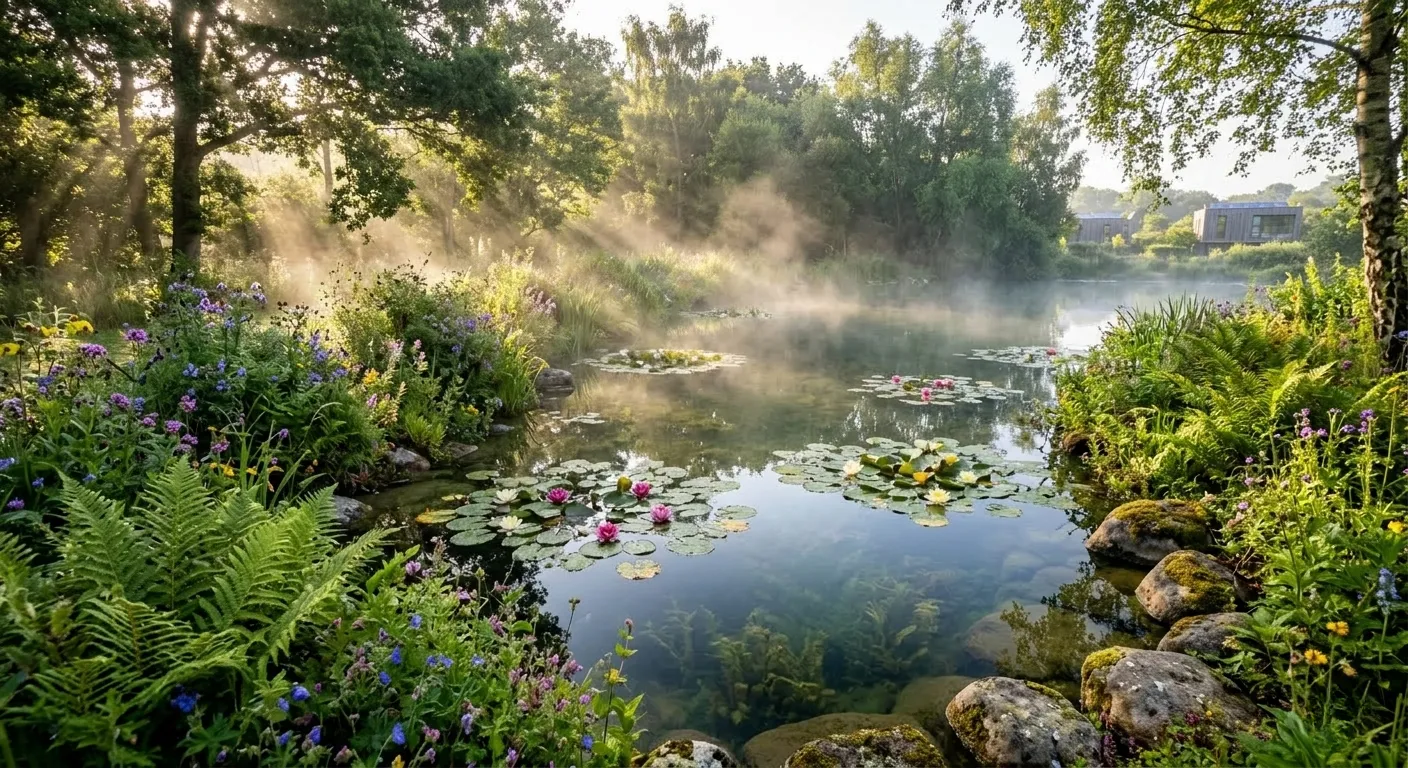
The human body and mind were not designed to thrive in stacked concrete boxes. Living in close, daily proximity to nature has an immediate, scientifically proven impact on both physical vitality and mental well-being. The benefits are profound and immediate. Residents of eco-communities report significantly reduced levels of stress, anxiety, and cortisol. They enjoy unrestricted access to fresh, unpolluted air and zero-mile, organic produce harvested directly from their own soil. The expansive, low-density environment naturally encourages increased outdoor physical activity and fosters safer, significantly quieter environments—making it the ultimate sanctuary for raising children and pursuing a balanced lifestyle that urban settings simply cannot provide.
5. Economic & Investment Value of Green Communities
Green communities are not just environmentally righteous—they are incredibly astute financial vehicles. As global awareness shifts and regulatory frameworks increasingly favor sustainability, eco-living makes unparalleled sense as an investment. There is a rapidly rising, insatiable demand for sustainable, low-density properties, which directly drives long-term, market-beating land appreciation. Furthermore, the integration of renewable energy and sustainable water systems drastically lowers ongoing maintenance and utility costs. Properties within established green communities inherently command strong resale premiums and exceptional rental yields. As sustainability becomes the ultimate global priority, green assets are universally expected to dramatically outperform conventional real estate.
6. Role of Managed Farmland in Eco-Living
Managed farmland is the vital, beating engine driving the most successful green communities. It brilliantly bridges the gap between passive nature appreciation and active, income-generating ecological productivity. By integrating professionally maintained agricultural land directly into the residential framework, it offers a revolutionary model of agroforestry. It provides productive land that supports both tangible income streams (through timber or crop yields) and rich ecological diversity. This low-impact development approach is perfectly aligned with nature, allowing landowners to fully enjoy the immense benefits of eco-living without enduring any of the exhausting, day-to-day operational challenges of traditional farming.
7. Sustainable Features That Define Green Communities
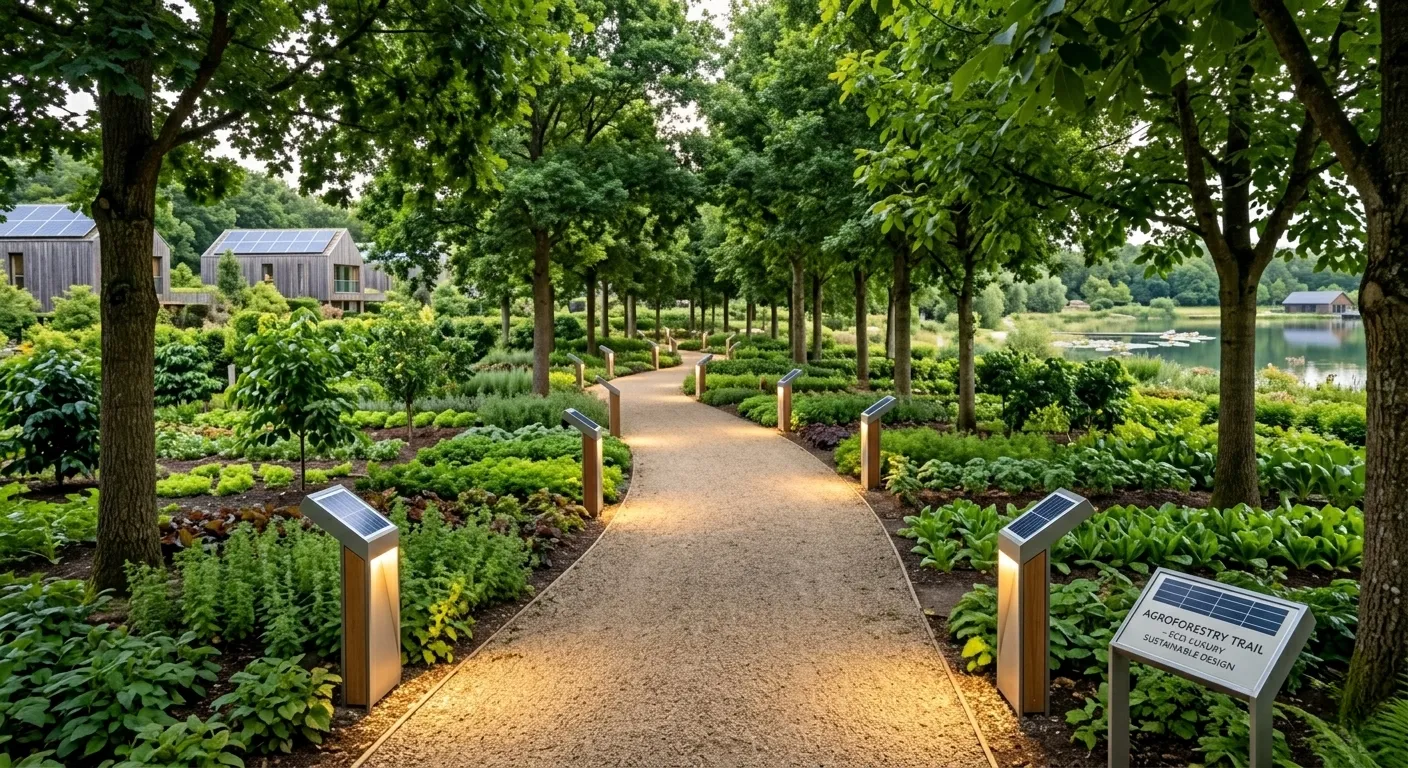
The modern green community is defined by its seamless, elegant integration of highly efficient sustainable infrastructure. It is where cutting-edge technology meets ancient natural wisdom. These estates are characterized by widespread solar power grids and highly energy-efficient ambient lighting. They feature massive, subterranean rainwater harvesting tanks and advanced, natural water recycling systems. The landscaping is deliberately populated with native, drought-resistant tree plantations that require minimal maintenance while maximizing local biodiversity. By utilizing eco-friendly, locally sourced construction materials, these features drastically reduce the environmental impact while significantly enhancing the luxury of everyday living.
8. Eco-Living as a Legacy for Future Generations
Ultimately, choosing to invest in and inhabit an eco-living community is about intentionally creating a lasting, deeply meaningful legacy. It is a definitive statement of your values. Green communities ensure that we are passing down exponentially healthier living environments for our children. They guarantee the long-term preservation of critical natural resources and promote an ethos of highly responsible land stewardship. It is a future-ready lifestyle, perfectly aligned with global sustainability goals—a conscious, deliberate step toward securing a dramatically better tomorrow.
Building a Sustainable Future Together
The definitive future of luxury living lies in uncompromising sustainability, holistic balance, and a profound respect for the natural world. Green communities represent a powerful, unstoppable shift toward eco-living—a space where people, the environment, and aggressive investment goals effortlessly coexist harmoniously. As global awareness continues to grow exponentially, eco-living will no longer be seen as an alternative choice; it will become the absolute, mandated standard for all future premium development.
Frequently Asked Questions (FAQs)
1. What is a green community?
A green community is a thoughtfully master-planned development that ruthlessly prioritizes ecological sustainability, rigorous environmental protection, and holistic healthy
living through the integration of advanced eco-friendly practices and infrastructure.
2. How does eco-living benefit health?
Eco-living directly benefits health by drastically reducing exposure to urban pollution, naturally promoting vigorous physical activity, and significantly supporting
mental well-being through constant, immersive interaction with nature.
3. Are green communities good for investment?
Absolutely. Green communities consistently see incredibly strong long-term capital appreciation due to the rapidly rising, global demand for sustainable,
secure, and low-density living environments.
4. What role does farmland play in eco-living?
Managed farmland acts as the ecological anchor. It supports eco-living by actively preserving vast green spaces, enabling highly productive organic farming,
and maintaining a robust ecological balance within the community framework.
5. Is eco-living suitable for families?
Without a doubt. Green communities offer vastly safer, cleaner, and profoundly more peaceful environments, making them the absolute ideal setting for raising
families and protecting future generations.
Are you ready to elevate your lifestyle and secure your legacy within a premium green community? Connect with Neralu Farms today to explore our highly sustainable, managed farmland estates.