
The ROI Breakdown: How Much Can Farmland Appreciation Earn You in 5–10 Years?
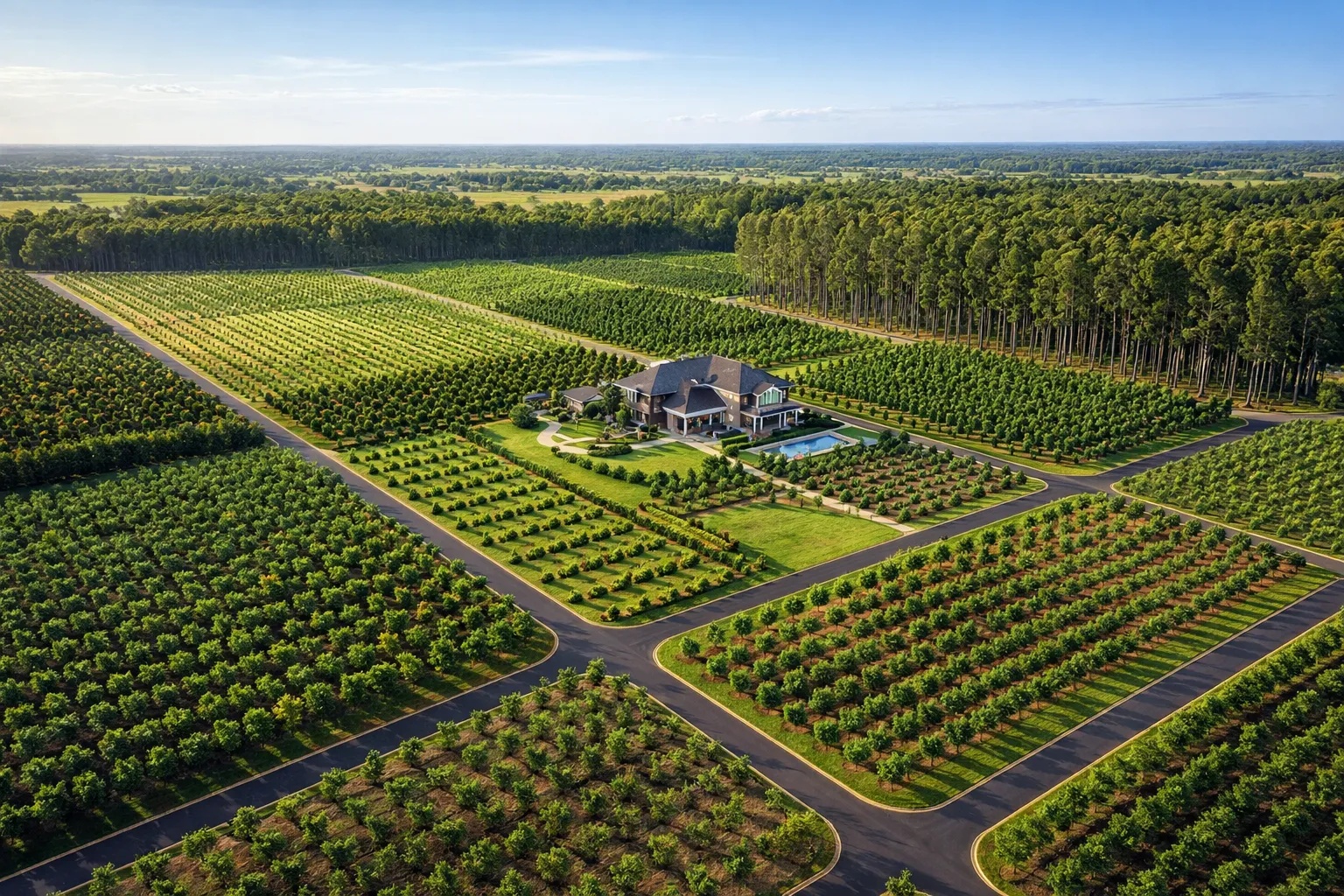
Land investment returns have become an important factor for investors looking at long-term wealth creation. Compared to traditional real estate assets, farmland offers both appreciation and income potential, making it a strong option for diversified investment portfolios.
Farmland in India, especially near growing regions like Bangalore, has shown steady growth due to increasing demand, limited supply, and rising interest in sustainable investments. Understanding how farmland generates returns helps investors make better decisions.
Why Farmland Offers Strong Investment Returns
Farmland differs from other real estate assets because it is a productive and appreciating resource. While apartments depreciate over time, agricultural land tends to increase in value.
- Limited supply: Agricultural land is finite and cannot be expanded.
- Growing demand: Increased interest in farmland investment and eco-living.
- Natural appreciation: Land value increases with development and usage.
- Low volatility: Less affected by market fluctuations compared to stocks.
Key Factors That Influence Land Investment Returns
The return on farmland investment depends on multiple factors that impact long-term growth.
- Location: Proximity to highways, cities, and development zones improves value.
- Infrastructure: Roads, water systems, and accessibility increase demand.
- Soil quality: Fertile land supports better agricultural productivity.
- Management: Professionally managed farmland improves yield and maintenance.
These factors determine how quickly land appreciates and generates income over time.
5 to 10 Year Land Investment Return Breakdown
Land investment returns can be understood in phases based on development and maturity.
- Year 1–3: Initial development phase with steady appreciation as infrastructure is established.
- Year 4–7: Growth phase where plantations mature and demand increases.
- Year 8–10: Maturity phase with higher appreciation and potential income generation.
Over time, farmland can provide both capital appreciation and additional income opportunities.

Additional Income from Farmland
Farmland investment is not limited to appreciation. It also provides income through agricultural activities.
- Timber cultivation: Long-term income from tree harvesting.
- Fruit plantations: Seasonal income from crops.
- Leasing opportunities: Renting land for farming activities.
- Farm stays: Income from eco-tourism and weekend rentals.
These income sources improve overall returns and make farmland a productive asset.
Comparison with Other Real Estate Investments
Farmland offers advantages compared to traditional real estate investments.
- Apartments: Depreciate over time and require maintenance costs.
- Urban plots: Depend on external development for appreciation.
- Farmland: Provides both appreciation and income potential.
This makes farmland a balanced option for long-term investors.

Who Should Consider Farmland Investment
Farmland investment is suitable for investors looking for long-term growth and asset security.
- Working professionals: Seeking stable and low-risk investments.
- Families: Looking for lifestyle and investment benefits.
- First-time investors: Interested in land ownership.
- Long-term planners: Focused on wealth creation and legacy assets.
Common Questions About Land Investment Returns in India
1. What are land investment returns in India?
Land investment returns come from price appreciation and income generated from the land over time.
2. How much return can farmland give in 5 to 10 years?
Farmland can provide steady appreciation along with additional income from farming activities over the long term.
3. Is farmland a better investment than apartments?
Yes, farmland offers appreciation and income potential, while apartments often depreciate and require maintenance.
4. What factors affect land investment returns?
Returns depend on location, infrastructure, soil quality, and management.
5. Can farmland generate passive income?
Yes, farmland can generate income through crops, timber, leasing, and farm stays.
6. Is land investment safe in India?
Yes, land is considered a stable and long-term investment asset with lower volatility.
7. Why does farmland appreciate over time?
Farmland value increases due to limited supply, rising demand, and development growth.
Conclusion
Land investment returns from farmland come from a combination of appreciation and income generation. With increasing demand and limited supply, farmland continues to be a strong long-term investment option.
For investors looking for stability, growth, and a tangible asset, farmland provides a practical and future-ready investment opportunity.