
A Complete Guide for First-Time Farmland Buyers
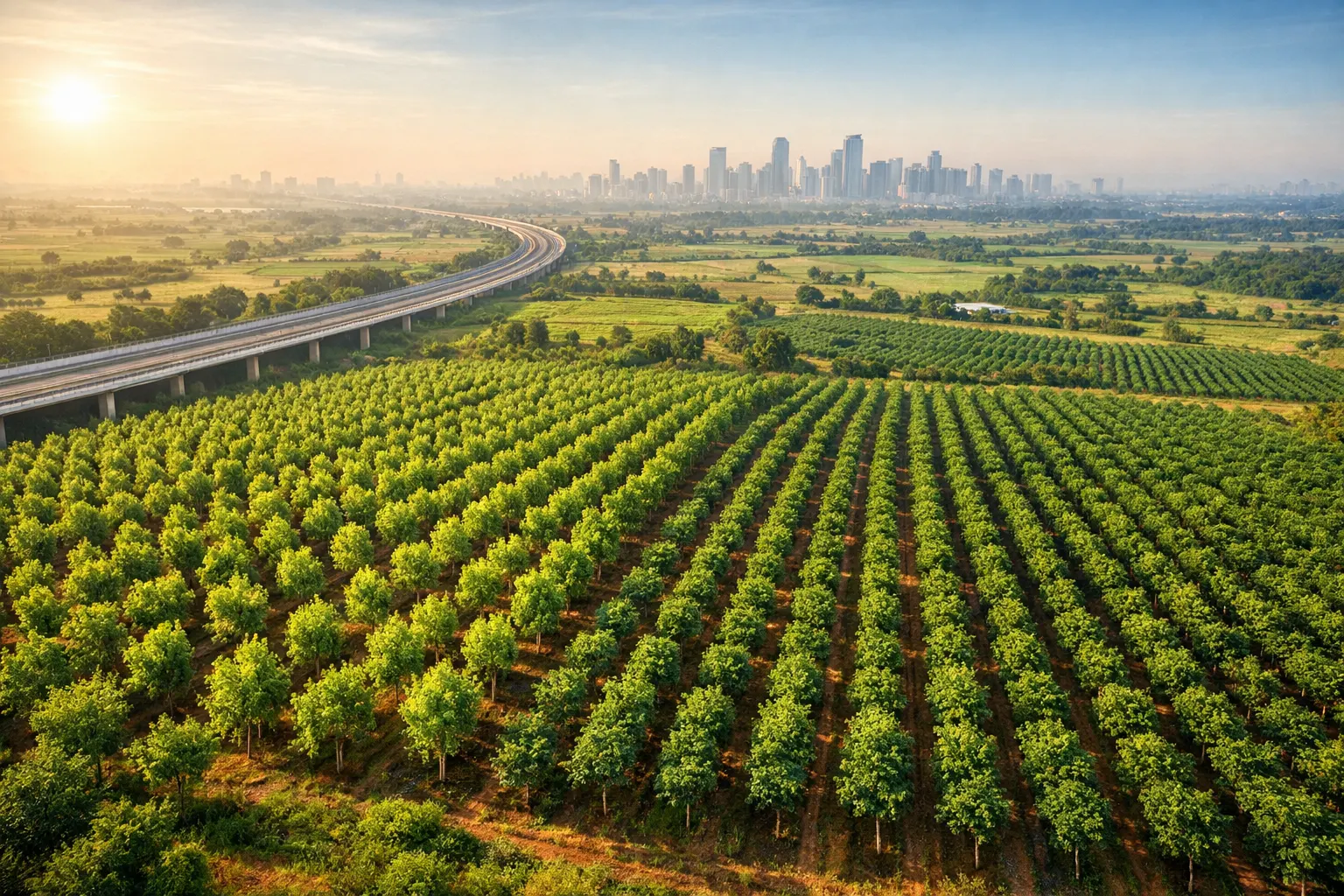
Buying agricultural land in India has become an increasingly popular investment choice, especially among working professionals and first-time buyers looking for long-term value, sustainability, and lifestyle benefits. However, purchasing farmland is not as simple as buying a residential property. It involves legal complexities, technical knowledge, and ongoing management responsibilities that many buyers are not aware of. At Neralu Farms, we focus on "Grounded Authority," ensuring that our investors are equipped with the right knowledge to make a safe and informed decision.
LEGAL VERIFICATION IS THE MOST IMPORTANT STEP

Ensuring legal clarity is the absolute bedrock of a farmland investment. Unlike apartments, land lineage can go back decades and involves multiple heirs. Before purchasing, you must verify clear title ownership, a 30-year flow of title, and the Encumbrance Certificate (EC) to prove the land is free from existing loans. Proper legal due diligence is the only way to avoid long-term disputes that can trap your capital for years.
STATE-SPECIFIC LAND LAWS AND ELIGIBILITY
In India, land is a state subject. In states like Karnataka, rules have been recently liberalized, but zoning and specific acts still apply. You must check state-specific eligibility criteria to ensure your purchase is legally valid. Being unaware of these rules can lead to legal complications even after payment.
LOCATION, SOIL, AND WATER: THE HOLY TRINITY
The value of your land is determined by connectivity and natural resources. North Bangalore offers high appreciation potential due to infrastructure projects. Verify groundwater levels and soil fertility—for example, Red Sandalwood requires specific loamy soil and consistent irrigation plans.
CHALLENGES OF ONGOING MANAGEMENT
Buying the land is only 20% of the journey; the remaining 80% is management. Managing labor, controlling pests, and ensuring security are demanding tasks. For a city-based professional, these burdens often transform a peaceful investment into urban anxiety. This is precisely why Managed Farmland is the smartest alternative for modern investors.

Common Questions About Buying Agricultural Land in India
1. Can a non-farmer buy agricultural land in India?
Yes, in many states like Karnataka, non-farmers can legally buy agricultural land. However, rules vary by state, so it is important to verify zoning laws and local regulations before making a purchase.
2. What documents are required to buy agricultural land in India?
Essential documents include the title deed, Encumbrance Certificate (EC), RTC records, land tax receipts, and a 30-year title history. These help ensure the land is legally clear and dispute-free.
3. How to verify land title before buying farmland?
Land title verification involves checking ownership records for at least 30 years, confirming legal transfers, and ensuring there are no disputes, loans, or claims on the property.
4. Is agricultural land a good investment in India?
Yes, agricultural land offers long-term appreciation, tax advantages, and asset security. Areas with strong infrastructure growth, such as North Bangalore, have higher investment potential.
5. What are the benefits of managed farmland?
Managed Farmland provides clear titles, professional maintenance, irrigation systems, and security. It allows investors to own farmland without handling daily farming operations.
6. What are the risks of buying agricultural land in India?
Common risks include unclear land titles, legal disputes, zoning restrictions, and lack of water resources. Proper due diligence and choosing trusted developers can help minimize these risks.
7. Can agricultural land generate passive income in India?
Yes, agricultural land can generate passive income through farming, leasing, or managed farmland models that handle operations and provide regular returns.
CONCLUSION: THE MANAGED ADVANTAGE
For a first-time buyer, the "Managed Farmland" model by Neralu Farms offers a perfect bridge. We handle the 100% legal verification, soil enrichment, and security. You get the benefits of clear-titled land and long-term timber returns without the stress. Farm ownership should be about wellness and wealth, not paperwork and problems.