
Understanding Farmland Investment in India Through Data, Growth & Future Trends
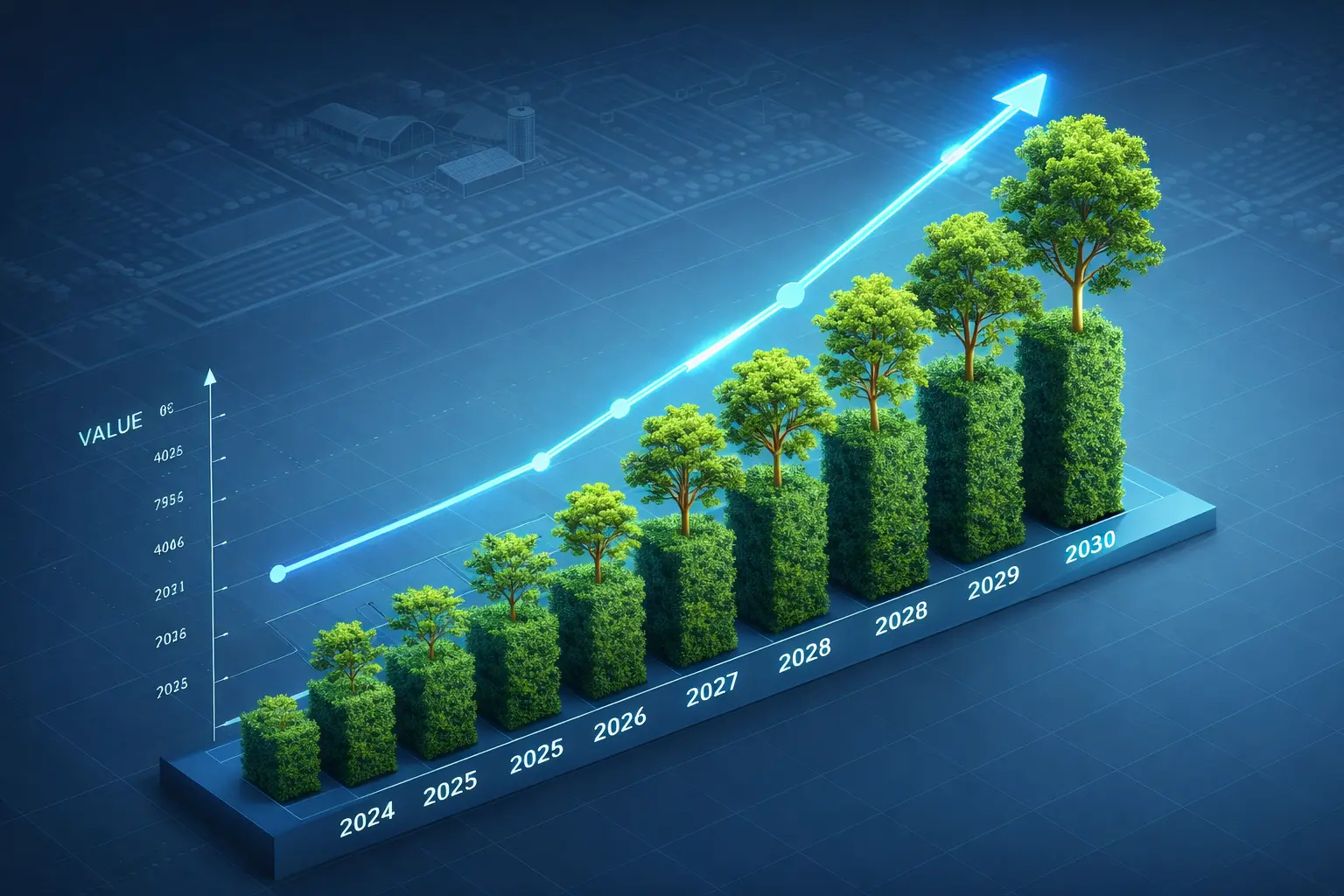
Farmland investment in India is no longer just about owning land it is about understanding how that land evolves and grows in value over time.
With increasing awareness among investors, the focus has gradually shifted from simply buying land to evaluating its long-term potential. Today, data, growth patterns, and future outlook play an important role in how farmland is perceived.
As urban expansion continues and land availability becomes increasingly limited, investors are exploring alternatives beyond conventional real estate. Farmland stands out as a tangible asset that offers stability, long-term appreciation, and strong relevance in the years ahead.
In many ways, farmland is now being viewed not just as land, but as an asset shaped by long-term trends, real demand, and future potential.
Farmland Investment in India: Quick Overview
Farmland investment in India is a long-term asset strategy driven by land scarcity, steady demand, and gradual appreciation, making it a stable and data-backed investment option for modern investors.
How Data, Growth Trends & Future Outlook Shape Farmland Investment in India
Farmland investment in India is gradually evolving into a structured and long-term asset class. What was once considered a traditional form of land ownership is now being evaluated through the lens of data, returns, sustainability, and future demand.
As urban expansion continues and land availability becomes increasingly limited, investors are exploring alternatives beyond conventional real estate. Farmland stands out as a tangible asset that offers stability, long-term appreciation, and strong relevance in the years ahead.
Today, farmland is no longer viewed only as agricultural land — it is increasingly being understood as an investment backed by real demand, limited supply, and long-term necessity. This shift is shaping how investors approach farmland across India.
Farmland Investment Data in India
Farmland Investment Trends in India (2020–2026)
Understanding growth patterns through key indicators
| Investment Factor | Growth Trend | Risk Level | Stability | Return Type | Market Behavior |
|---|---|---|---|---|---|
|
🌿 Farmland Value Core Asset |
~8% – 15% steady appreciation | Low | High | Long-Term Growth |
Driven by land scarcity, infrastructure expansion, and long-term demand |
| 📈 Demand Growth | Consistent upward trend | Low–Medium | Stable | Gradual Value Increase |
Increasing participation from urban investors and alternative asset seekers |
| 🏗️ Infrastructure Impact | Strong in developing regions | Medium | Moderate–High | Location-Based Growth |
Connectivity improvements drive appreciation in peri-urban areas |
| 🌾 Agricultural Income | Moderate (depends on model) | Medium | Moderate | Secondary Income |
Enhanced through managed farmland and structured plantation models |
This data-driven view makes farmland investment in India a strong long-term opportunity supported by real market trends.
This further strengthens farmland investment in India as a reliable and data-backed asset class for long-term investors.
Over the past decade, agricultural land prices in India have shown steady and consistent appreciation. This growth is especially visible in regions influenced by infrastructure development and urban expansion.
Unlike volatile asset classes, farmland does not experience sharp fluctuations. Instead, it follows a gradual and stable growth pattern supported by factors such as increasing demand, limited availability of clear-title land, and the essential role of agriculture in the economy.
In peri-urban regions around major cities, land values have strengthened as connectivity improves and development spreads outward. These patterns indicate that farmland is driven by long-term fundamentals rather than short-term speculation.
Growth of Farmland & Agriculture in India
The growth of farmland investment is closely linked to the overall growth of agriculture in India. As one of the most essential sectors, agriculture continues to support both economic activity and population needs.
With rising population and increasing food demand, the importance of agricultural land continues to grow. This creates a natural and consistent foundation for farmland value appreciation.
At the same time, infrastructure expansion is improving access to rural and semi-urban regions. Better roads, connectivity, and development are bringing new areas into focus, making farmland more accessible to investors.
Another important shift is the emergence of managed farmland models. These introduce structure, planning, and professional management, transforming farmland into a more organized and investable asset.
Returns & ROI from Farmland Investment
Farmland offers a unique advantage by combining two sources of return: appreciation and income.
- Land Appreciation: Land value increases over time as surrounding areas develop and demand grows.
- Agricultural Income: Structured farming models generate income through plantations and cultivation.
This dual return structure creates a balanced investment profile. Unlike purely speculative assets, farmland builds value gradually, making it more stable and predictable over time.
For investors seeking long-term growth along with tangible asset ownership, farmland provides a strong and reliable foundation.
Future Outlook of Farmland Investment in India
The future of farmland investment in India is expected to be shaped by land scarcity, sustainability, and evolving investment models.
As cities expand and available land reduces, agricultural land is likely to become increasingly valuable. Limited supply combined with rising demand naturally strengthens long-term appreciation potential.
In addition, sustainability is becoming a key focus area. Plantation-based farming, eco-conscious practices, and long-term land management are influencing how farmland is developed.
Another defining trend is the growing participation of urban investors. With structured and managed farmland models, individuals can now invest in farmland without requiring direct involvement in farming operations.

Looking ahead towards 2026 and beyond, farmland is expected to transition into a more structured and widely recognized investment category, supported by both economic relevance and long-term demand.
Understanding Risks in Farmland Investment
Like any investment, farmland also comes with certain risks. However, these risks are generally related to execution rather than unpredictable market conditions.
Common challenges include poor land selection, lack of water resources, and weak management practices. When not addressed properly, these factors can affect both productivity and long-term value.
The key point is that these risks are manageable. With proper evaluation and a structured approach, farmland can remain a stable and reliable investment.
Why Managed Farmland is Gaining Popularity
Managed farmland has emerged as a solution to many traditional challenges associated with agricultural land ownership.
With professional teams handling operations such as plantation, irrigation, and maintenance, investors can benefit from farmland ownership without dealing with day-to-day complexities.
This structured approach improves consistency, enhances productivity, and ensures that the land continues to grow in value over time.
Farmland Investment in India: Key Questions Answered
1. Is farmland investment in India a long-term opportunity?
Yes, farmland is best suited for long-term investment due to its gradual appreciation and stable demand.
2. What drives farmland prices in India?
Location, infrastructure development, water availability, and legal clarity are the key factors.
3. How does farmland generate returns?
Returns come from land appreciation and income generated through agricultural activities.
4. What is the future outlook for farmland investment?
The outlook is positive due to increasing demand, limited land supply, and structured investment models.
5. Is farmland a stable investment?
Yes, farmland is relatively stable as it is driven by real demand rather than speculation.
6. What risks should investors consider?
Investors should evaluate land quality, water resources, and management practices carefully.
7. Why is managed farmland becoming popular?
Because it simplifies ownership and ensures professional management, making it accessible for modern investors.
Conclusion
Farmland investment in India is steadily emerging as a structured and reliable asset class. Backed by strong data trends, steady growth, and a positive future outlook, it offers a balanced approach to long-term investing.
For investors looking beyond traditional options, farmland represents an opportunity to invest in something tangible, essential, and steadily growing.