
What Does “Managed” Really Mean? Behind-the-Scenes of Farm Maintenance at Neralu
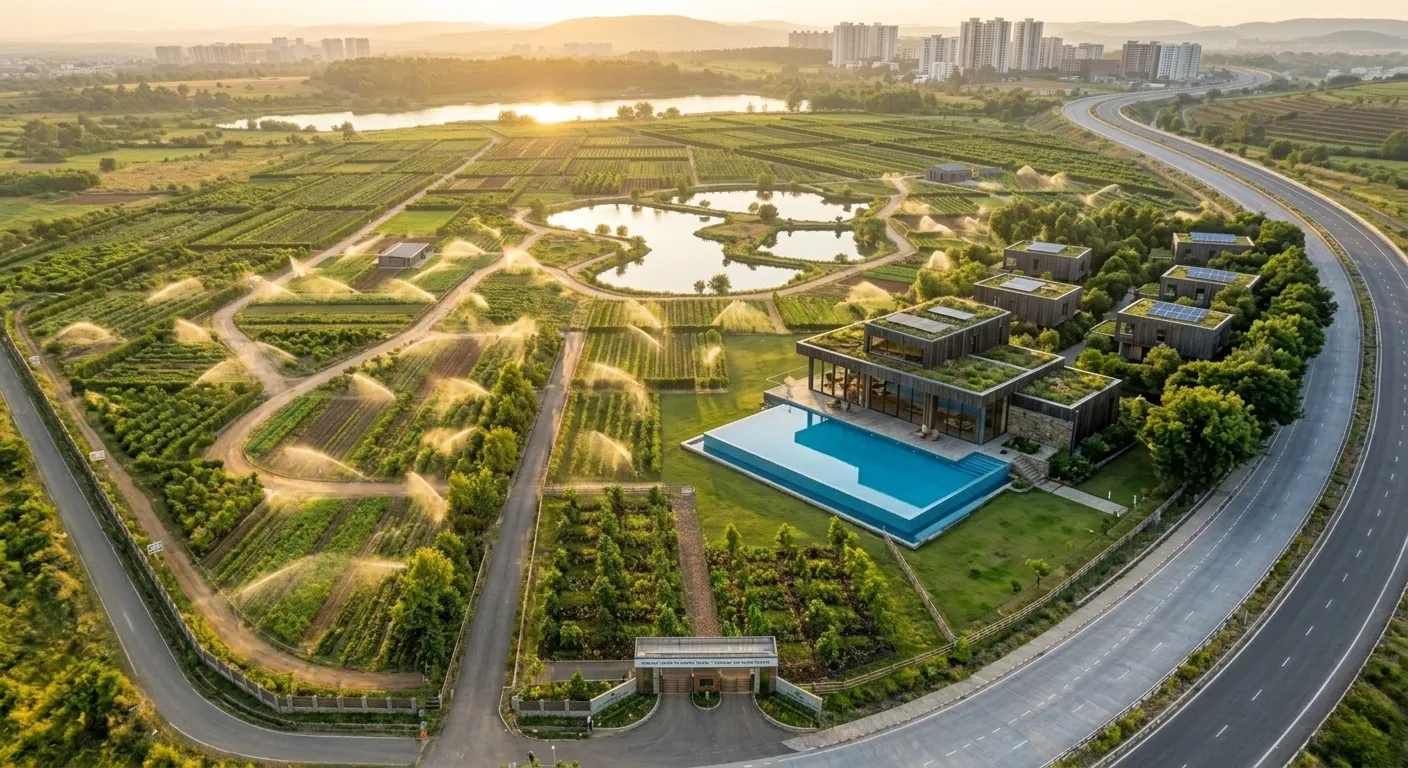
managed farmland is becoming a popular investment option in India, especially for working professionals and NRIs who want land ownership without daily management. Unlike traditional farmland, managed farmland offers a system where maintenance, farming operations, and security are handled by experts.
This model allows investors to benefit from land appreciation and agricultural income without dealing with operational challenges. Understanding how managed farmland works helps in making a better investment decision.
1. What is Managed Farmland?
Managed farmland refers to agricultural land that is professionally maintained by a dedicated team. While investors own the land, all farming activities such as plantation, irrigation, and maintenance are managed by experts.
This ensures consistent productivity, proper land care, and long-term value growth without requiring the owner’s daily involvement.
2. Daily On-Ground Monitoring
Unlike traditional farmland, managed farmland involves regular monitoring to maintain crop health and soil quality. Professional teams handle daily inspections and maintenance activities.
- Plant health monitoring: Ensuring proper growth and crop quality.
- Soil management: Maintaining fertility for long-term productivity.
- Pest control: Early detection and preventive measures.
- Water management: Efficient irrigation based on seasonal conditions.
3. Scientific Farming & Soil Management
Modern managed farmland projects use scientific and sustainable farming practices to improve yield and soil health. These methods focus on long-term productivity rather than short-term gains.
- Organic farming: Reducing chemical usage and improving soil quality.
- Natural fertilizers: Using compost and eco-friendly inputs.
- Sustainable practices: Supporting environmental balance.
This approach helps maintain soil fertility and supports long-term agricultural returns.
4. Crop Planning and Yield Management
Crop planning is essential for maximizing returns from farmland. Managed farmland projects use expert planning based on climate, soil conditions, and market demand.
- Selection of suitable crops for better yield
- Seasonal crop rotation to maintain soil health
- Management of plantation crops like fruits and timber
- Professional harvesting and yield optimization
This ensures consistent agricultural output and improves income potential.

5. Advanced Irrigation & Water Management
Efficient water management is critical for farmland productivity. Managed farmland projects use modern irrigation systems to ensure proper water usage.
- Drip irrigation: Direct water supply to plant roots
- Water storage systems: Ensuring year-round availability
- Moisture monitoring: Preventing overwatering or water shortage
These systems improve efficiency and reduce operational costs.
6. Security & Gated Farmland
Security is a major concern for farmland investors, especially for those who cannot visit regularly. Managed farmland provides a secure environment with controlled access.
- 24/7 security monitoring
- Fencing and gated entry
- CCTV surveillance
- On-site staff for safety and maintenance
This ensures that your land remains protected at all times.

7. Amenity Management and Lifestyle Benefits
Managed farmland is not just about agriculture. Many projects include lifestyle amenities that enhance the overall experience.
- Clubhouse and recreational spaces
- Open green areas and relaxation zones
- Family-friendly spaces and outdoor activities
- Basic infrastructure for comfortable visits
These features provide both lifestyle benefits and long-term value.
8. Benefits of Managed Farmland Investment
Managed farmland offers several advantages for investors looking for a secure and hassle-free investment.
- Zero maintenance: No need to manage daily farming tasks
- Professional management: Experts handle all operations
- Land appreciation: Value increases over time
- Passive income potential: Earnings from agricultural activities
- Eco-friendly investment: Supports sustainable living
9. Why Managed Farmland is Ideal for Modern Investors
Managed farmland is suitable for professionals, NRIs, and investors who want land ownership without operational challenges. It provides a balance between financial growth and lifestyle benefits.
Investors can enjoy the advantages of farmland while experts handle maintenance, making it a practical and future-ready investment option.
Common Questions About Managed Farmland in India
1. What is managed farmland?
Managed farmland is agricultural land where maintenance, farming, and operations are handled by professionals, allowing owners to invest without daily involvement.
2. How does managed farmland work?
Experts take care of plantation, irrigation, soil management, and security, while investors own the land and benefit from returns.
3. Is managed farmland a good investment in India?
Yes, it offers land appreciation, passive income potential, and long-term asset growth.
4. Do I need to maintain farmland myself?
No, managed farmland provides zero maintenance ownership as all operations are handled by professionals.
5. What are the benefits of managed farmland?
It offers professional management, security, passive income, and eco-friendly investment benefits.
6. Is managed farmland suitable for NRIs?
Yes, it is ideal for NRIs as it provides remote ownership with full maintenance and security.
7. Does managed farmland generate income?
Yes, income can come from agriculture, plantations, and long-term land appreciation.
Conclusion
Managed farmland simplifies agricultural investment by combining ownership with professional maintenance. It removes the complexities of traditional farming while offering long-term value and income potential.
For investors seeking a secure, sustainable, and low-maintenance land investment, managed farmland is an effective solution.