
Red Sandalwood: India’s Most Lucrative Timber Investment

Red sandalwood farming in Karnataka is emerging as one of the most profitable long-term investments in India. Unlike stocks or real estate, timber assets grow steadily and increase in value over time. With rising global demand and limited supply, red sandalwood offers strong ROI potential for investors looking for stable and appreciating assets.
In recent years, investors have started exploring alternative assets such as managed farmland due to market volatility in traditional investments. Red sandalwood, known for its high-value timber, has gained popularity because of its consistent demand in international markets like China and Japan. This makes it a reliable investment option for those seeking long-term wealth creation.
Is Red Sandalwood Farming a Good Investment in Karnataka?
Yes, red sandalwood is considered a high-value timber with strong international demand. Since it grows naturally in India and supply is restricted, investors benefit from long-term price appreciation. Managed farmland models make it easier to invest without handling day-to-day operations.
Karnataka, especially regions around North Bangalore, provides favorable climatic conditions for red sandalwood cultivation. The soil type and rainfall pattern support optimal growth, ensuring better yield and higher quality heartwood. This makes the region one of the best locations for sandalwood farming investment in India.
Red Sandalwood Farming Profit Per Acre in India
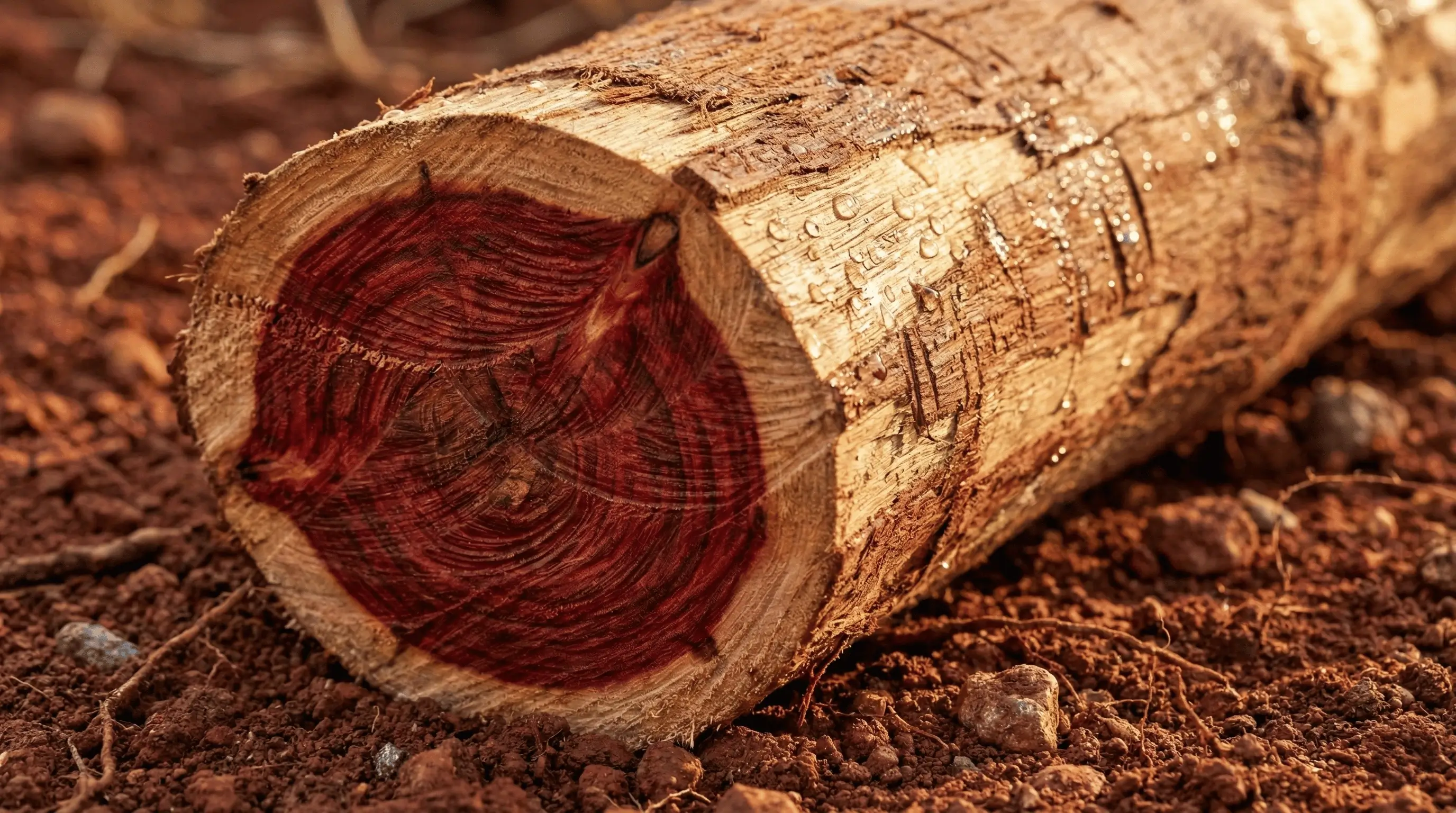
Red sandalwood farming typically matures in 12–15 years. A well-managed plantation can generate significant returns due to high timber value. The longer the growth cycle, the higher the heartwood value, making it a powerful wealth-building asset.
Profit per acre depends on factors such as tree density, maintenance practices, and market prices at the time of harvest. However, due to limited legal supply and increasing global demand, red sandalwood consistently commands premium pricing. This makes it a strong alternative to traditional investments like fixed deposits or urban real estate.
Is Sandalwood Farming Legal in Karnataka?
Yes, sandalwood farming is completely legal on private land in Karnataka. However, harvesting and transportation require proper approvals from the forest department. Managed farmland providers handle all legal processes, ensuring compliance and smooth harvesting.
The Karnataka government has simplified regulations to encourage farmers and investors to grow sandalwood. Proper registration of trees and documentation ensures transparency and legal ownership. With expert guidance, investors can avoid regulatory challenges and focus on long-term returns.
Tax Benefits of Sandalwood Farming in India
Income generated from agricultural activities, including timber farming, is generally tax-free under Indian law. This makes sandalwood farming a highly tax-efficient tax-free income investment compared to real estate or financial assets.
Unlike other investment options where capital gains tax reduces overall returns, agricultural income allows investors to retain maximum profits. This tax advantage significantly improves net ROI, making sandalwood farming an attractive option for high-net-worth individuals and long-term investors.
Why Managed Farmland in Bangalore is Ideal
North Bangalore is a fast-growing investment corridor with strong infrastructure development. The region’s soil and climate are suitable for sandalwood cultivation, making it ideal for managed farmland investments that combine land appreciation with timber growth.
Additionally, proximity to the airport and ongoing infrastructure projects enhances land value over time. Investors benefit from dual appreciation — land value growth and timber value growth. This combination makes managed farmland in Bangalore a strategic investment choice.
Zero Maintenance Investment with High Security
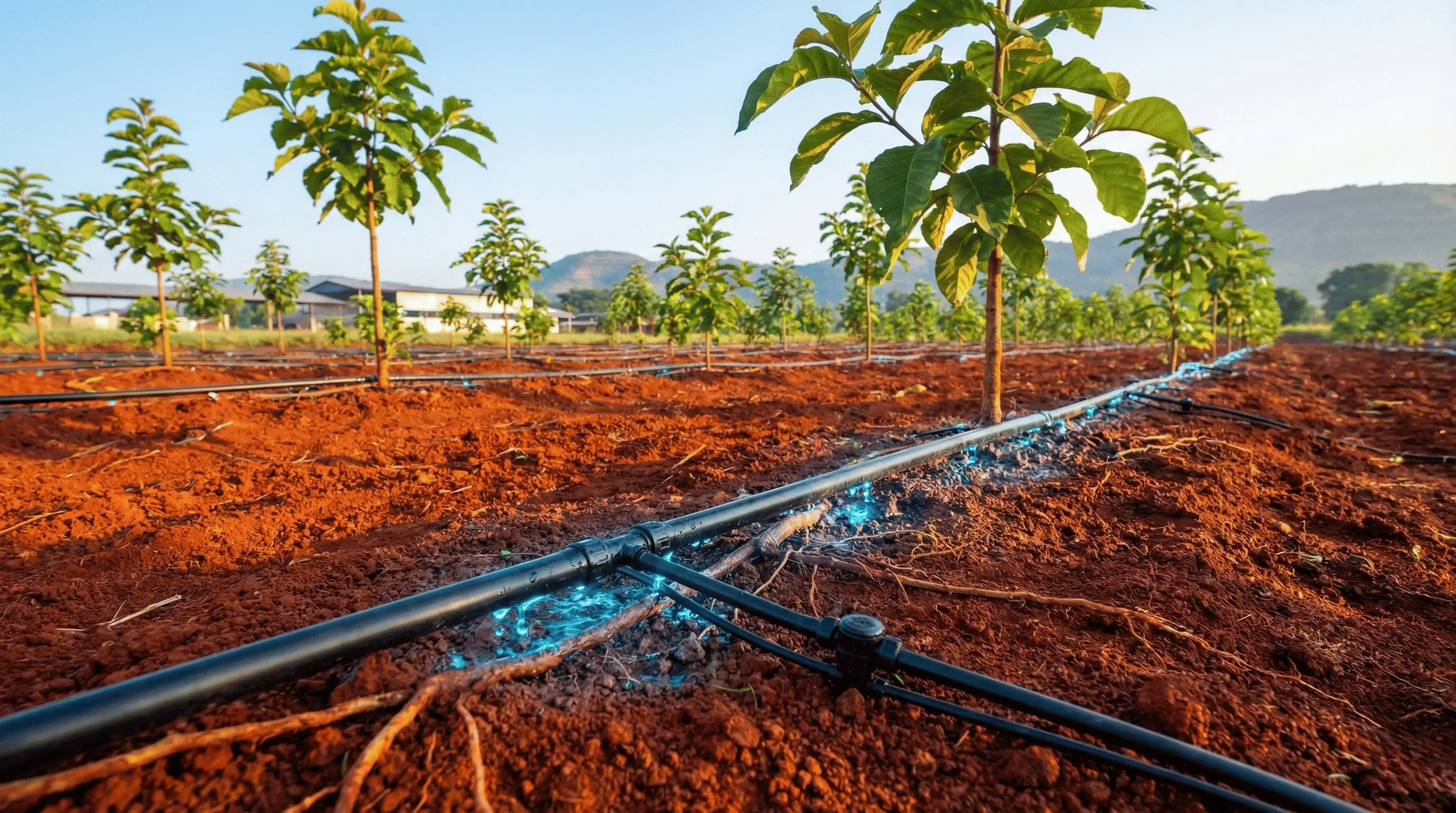
Managed farmland eliminates operational challenges. From irrigation and soil management to security and monitoring, everything is handled professionally. Investors benefit from passive income potential without active involvement.
Modern farming techniques such as drip irrigation and soil monitoring systems ensure optimal growth conditions for sandalwood trees. Security measures like fencing, surveillance, and on-ground staff protect the investment, making it a hassle-free experience for investors.
Long-Term Wealth Creation Through Timber Investment
Timber investments like red sandalwood are considered long-term assets that appreciate over time. Unlike short-term investments, they are less affected by market volatility. This stability makes them ideal for investors looking to diversify their portfolio.
As global demand continues to rise and supply remains limited, the value of red sandalwood is expected to increase further. Investing today allows individuals to benefit from future price appreciation while contributing to sustainable forestry practices.
Conclusion
Red sandalwood farming offers a rare combination of high returns, tax benefits, and long-term asset appreciation. With managed farmland in Bangalore, investors can enjoy both financial growth and a secure, sustainable investment.
For those looking to diversify their portfolio with a stable and high-value asset, sandalwood farming stands out as a smart investment choice. With professional management and legal support, it provides both peace of mind and strong financial potential.
Common Questions About Red Sandalwood Farming Investment
1. Is red sandalwood farming profitable in India?
Yes, red sandalwood farming is highly profitable due to strong global demand and limited legal supply, making it a powerful long-term investment.
2. Is sandalwood farming legal in Karnataka?
Yes, sandalwood farming is legal on private land in Karnataka, but harvesting and transportation require approvals from the forest department.
3. How much profit does sandalwood farming generate per acre?
Returns vary based on plantation management, but high-value timber and limited supply make red sandalwood a strong long-term income asset.
4. What is the investment required for sandalwood farming?
The investment depends on land cost, plantation setup, and management, with managed farmland models reducing operational burden.
5. Is agricultural income from sandalwood tax-free in India?
Yes, agricultural income in India is generally tax-free, making sandalwood farming a highly tax-efficient investment option.
6. How long does red sandalwood take to grow?
Red sandalwood typically takes 12–15 years to mature, with increasing value as heartwood develops over time.
7. Why is red sandalwood so expensive?
It is rare, highly regulated, and in strong global demand, which drives premium pricing in both domestic and international markets.