
Beauty vs. Health: Decoding the Supermarket Aesthetic
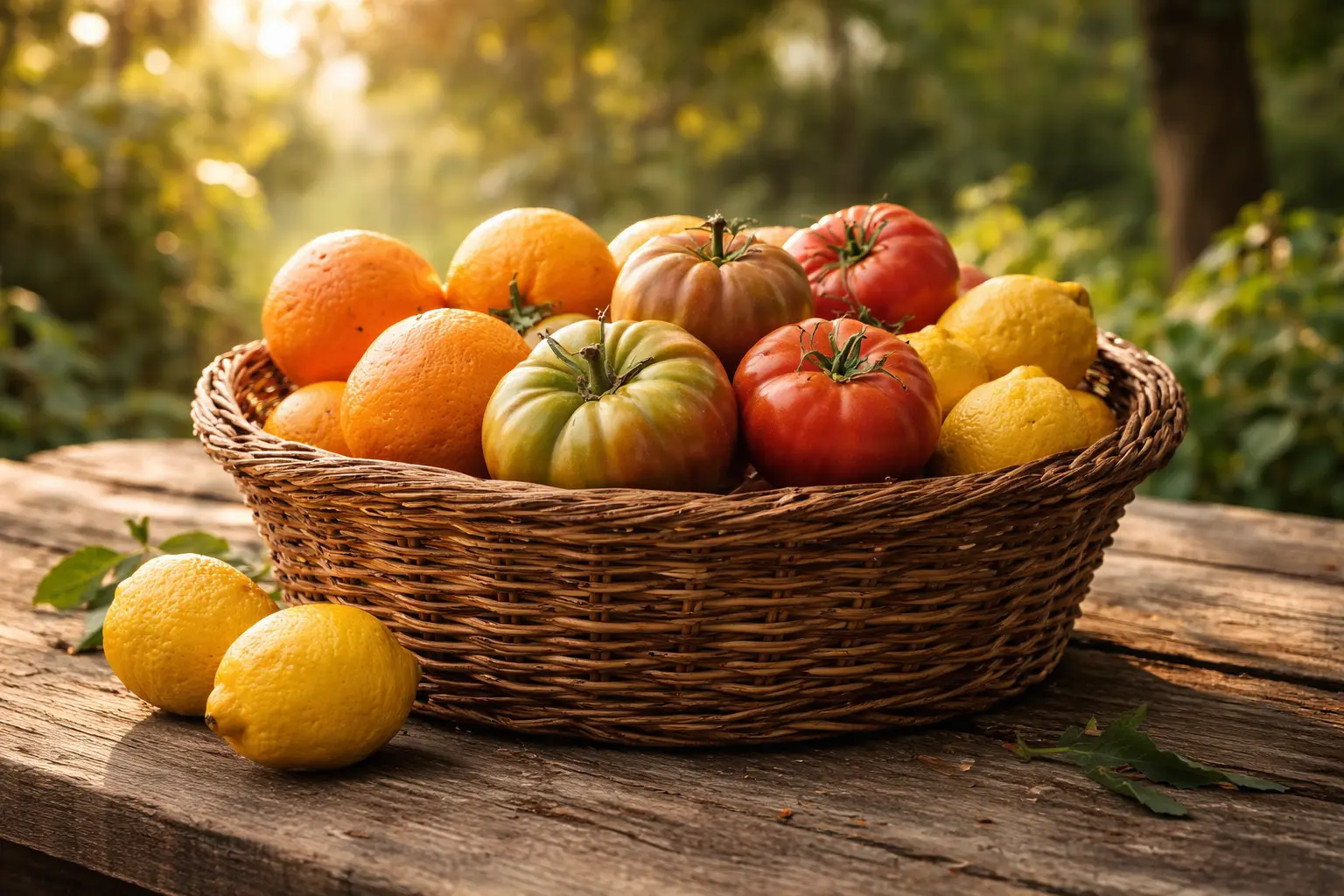
Organic food has gained significant attention as consumers become more conscious about health and sustainability and organic farming myths vs reality.. However, many people still judge produce based on its appearance. In supermarkets, fruits often look bright and shiny, while organic food may appear dull or uneven. This difference is not about quality, but about industrial polish versus natural authenticity.
The Industrial Polish: Why Supermarket Produce Looks Shiny
The glossy appearance of supermarket fruits is usually the result of artificial enhancement. Modern retail demands a"perfect" look, but this aesthetic comes at a cost:
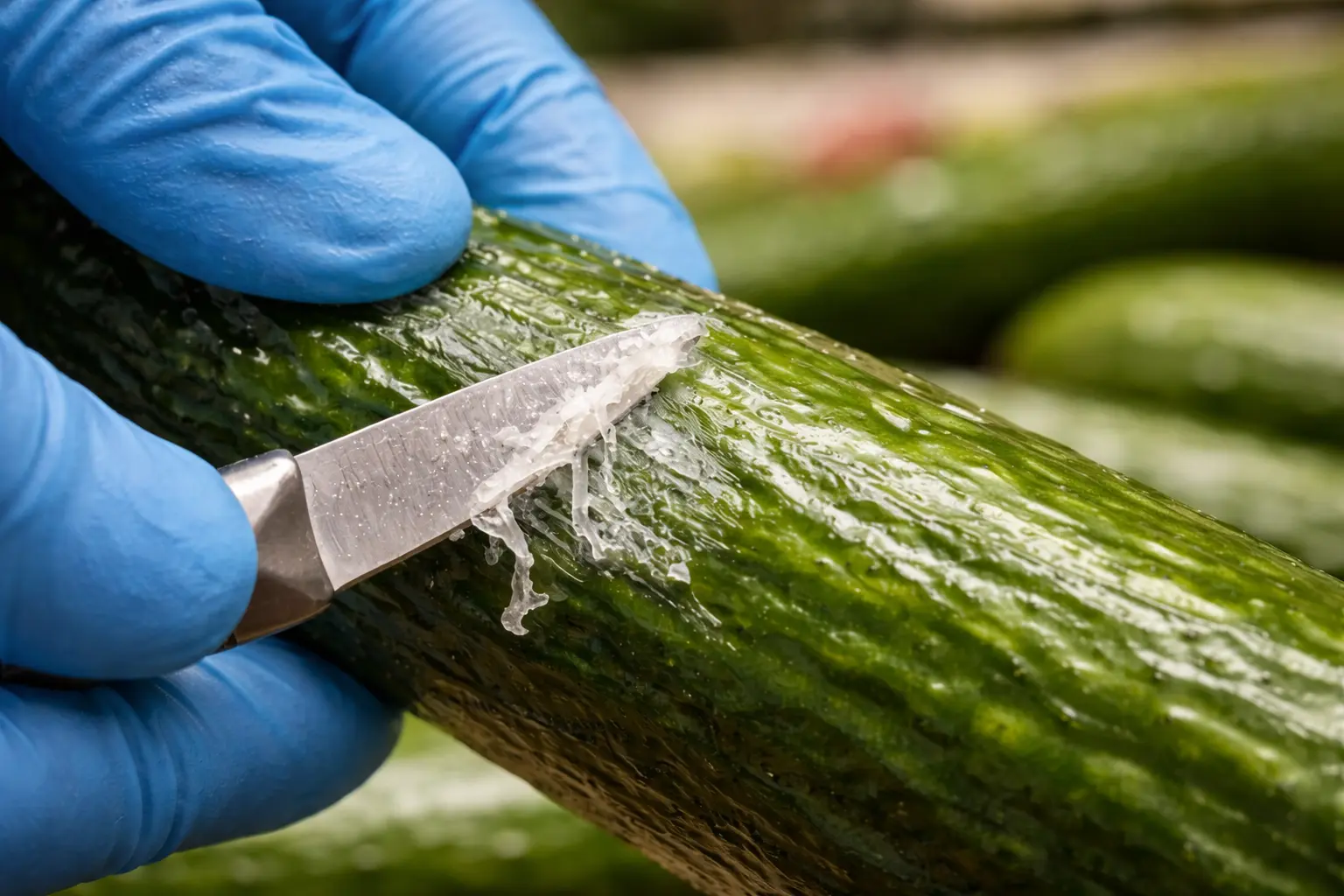
- Wax Coating: Synthetic wax is applied to fruits to enhance shine and prevent moisture loss.
- Growth Enhancers: Synthetic fertilizers are used to achieve uniform size and saturated colors.
- Polishing: Produce is often physically polished with chemical solutions before reaching stores.
Is Organic Produce the Smarter Investment for Health?
Appearance has little to do with nutritional value. Organic food retains its natural phytonutrients because it is grown in healthy soil, not forced by hormones. It is a choice of quality from within rather than an external mask of perfection. This commitment to soil health is what makes managed farmland in India a resilient and appreciating asset.
Hidden Truth: Appearance vs. Nutrition
Many consumers assume that shiny fruits are healthier. In reality, appearance has little to do with nutritional value. Organic food retains its natural phytonutrients, offers superior flavor, and contains significantly fewer chemical residues. It focuses on quality from within rather than an external mask of perfection.
Shelf Life: Natural vs. Artificial
Shiny supermarket produce often lasts longer due to wax coatings and chemical preservation. Organic produce may have a shorter shelf life because it is not artificially preserved, retaining its natural moisture. However, this is a sign of freshness—it reflects food that is alive with nutrients rather than preserved for months of transit.

Organic Food & Health: The Reality Check
1. Why is organic food not shiny?
Organic food is not shiny because it is not coated with synthetic wax or polished artificially. Its natural appearance reflects real farming practices without chemical enhancement.
2. Does organic food still have pesticides?
Organic farming uses natural pesticides derived from plants and minerals, but strictly avoids harmful synthetic chemicals commonly used in conventional farming.
3. Which is better: organic or non-organic?
Organic food is generally considered safer as it contains fewer chemical residues, while non-organic produce focuses more on yield, shelf life, and artificial appearance.
4. How to know if something is 100% organic?
Look for certified organic labels, natural imperfections, and the absence of artificial shine or uniformity, which are common indicators of organic produce.
5. Why does organic food look imperfect?
Organic food grows naturally without chemical enhancements, resulting in variations in size, color, and texture—signs of authentic and sustainable farming.
Conclusion: Authentic Choice over Cosmetic Appeal
Organic food isn’t shiny because it is grown naturally. While shiny produce may look appealing, it often hides industrial processes that prioritize shelf-life over nutrition. Choosing natural, imperfect food is the healthier and wiser choice for long-term"Wealth + Wellness"