
Digital Farming: Track Your Farmland Investment in Real Time
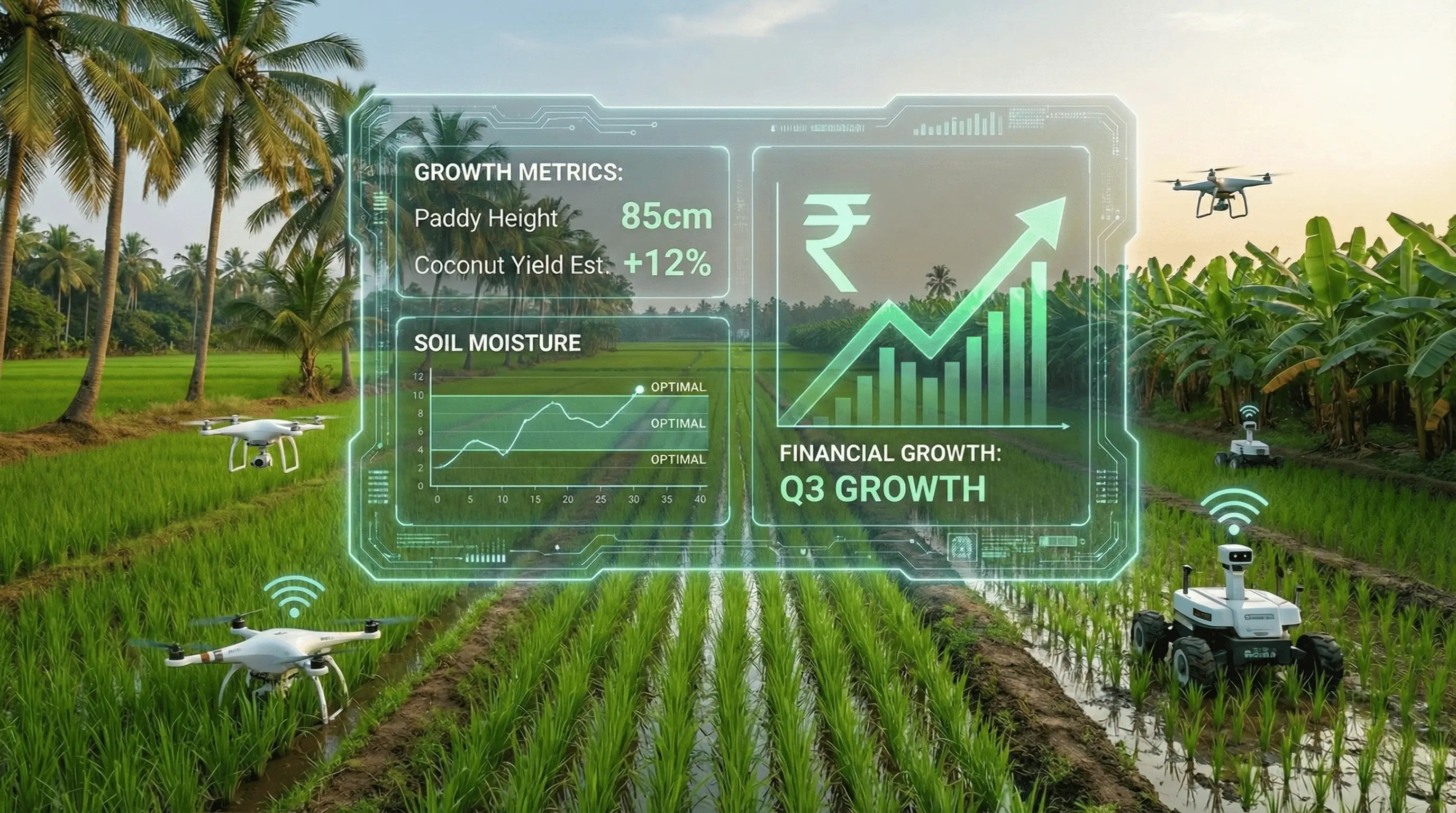
Digital farming in India is transforming how agricultural land is managed and how investors track their farmland investment. Traditional farming relied heavily on manual observation and guesswork, making it difficult for investors to monitor performance. Today, smart agriculture technology allows real-time tracking of crop growth, soil health, and overall farm productivity, making farmland investment more transparent and efficient.
managed farmland in North Bangalore is adopting digital farming tools to improve productivity and provide better returns. By combining IoT sensors, AI analytics, and real-time dashboards, investors can now monitor their farmland remotely. This shift is making farmland investment a more secure and data-driven asset class.
The Anatomy of Digital Farming: Smart Agriculture Technology
Digital farming, also known as precision agriculture, uses advanced technologies such as IoT, AI, and data analytics to optimize farming operations. These tools help monitor soil moisture, temperature, and nutrient levels, ensuring that crops receive the right resources at the right time.
In managed farmland projects, sensors are placed across the land to collect real-time data. This data is used to automate irrigation and improve crop health. As a result, farmland becomes more productive, and investors benefit from better yields and long-term returns.
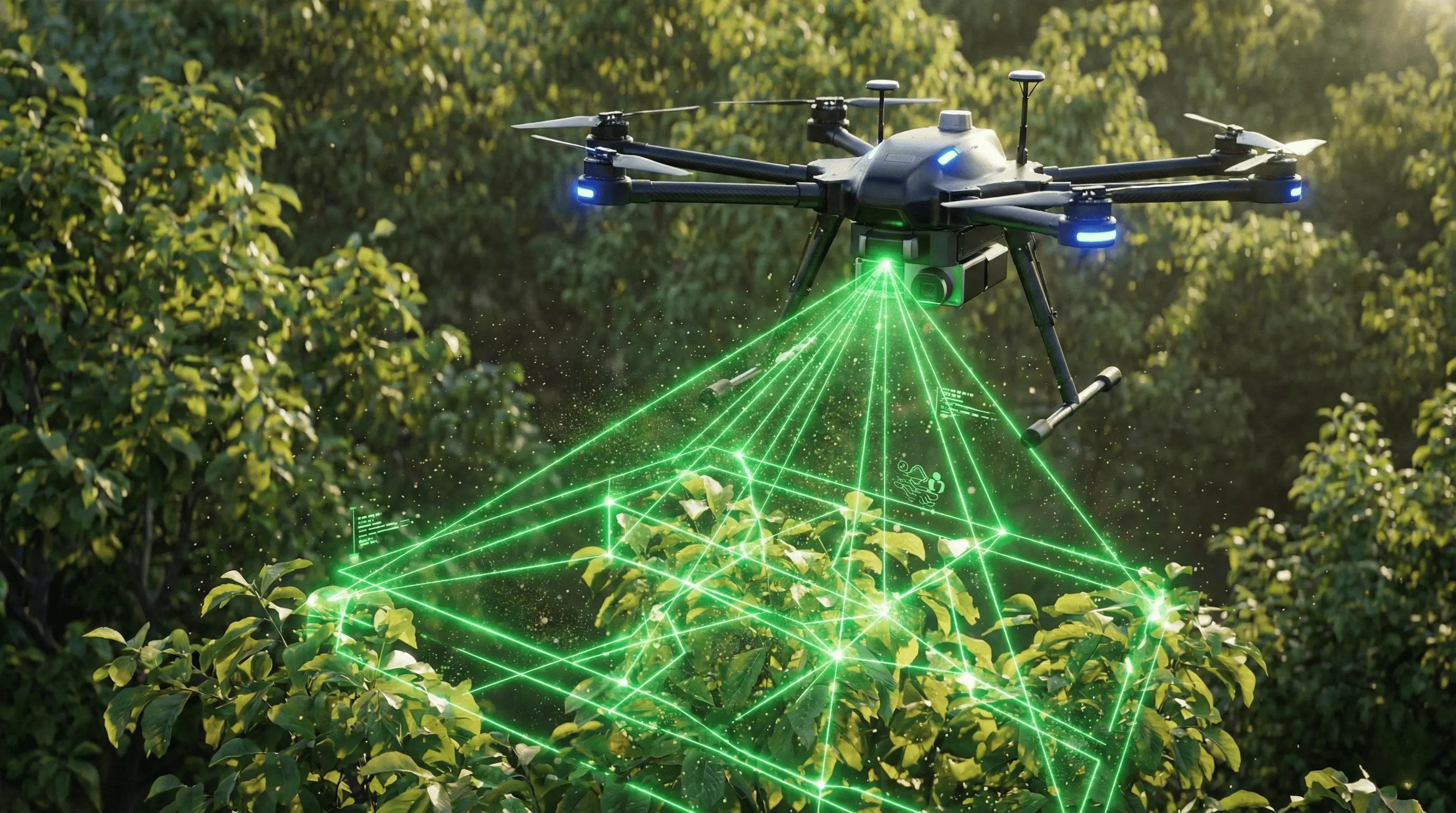
In addition to soil monitoring, digital farming also uses weather data and predictive analytics. These tools help farmers prepare for seasonal changes and reduce risks associated with climate conditions. This level of precision improves efficiency and supports sustainable agriculture practices.
How Digital Farming Secures Farmland Investment
One of the biggest concerns for investors is the lack of visibility into their farmland. Digital farming solves this problem by providing real-time monitoring and transparency. Investors can track crop growth, soil conditions, and overall farm performance through digital platforms.
Drone technology plays a key role in this process. Regular aerial monitoring helps detect issues such as pest infestations or crop stress early. This allows for quick intervention and ensures that the farmland remains productive and secure.
With digital tracking systems, farmland investment becomes more reliable. Investors no longer need to depend on manual updates, as all data is available through technology-driven platforms.
The Investor Dashboard: track ROI in real time
Digital farming platforms provide investor dashboards that allow real-time tracking of farmland performance. These dashboards display key metrics such as crop growth, yield estimates, and overall land value.
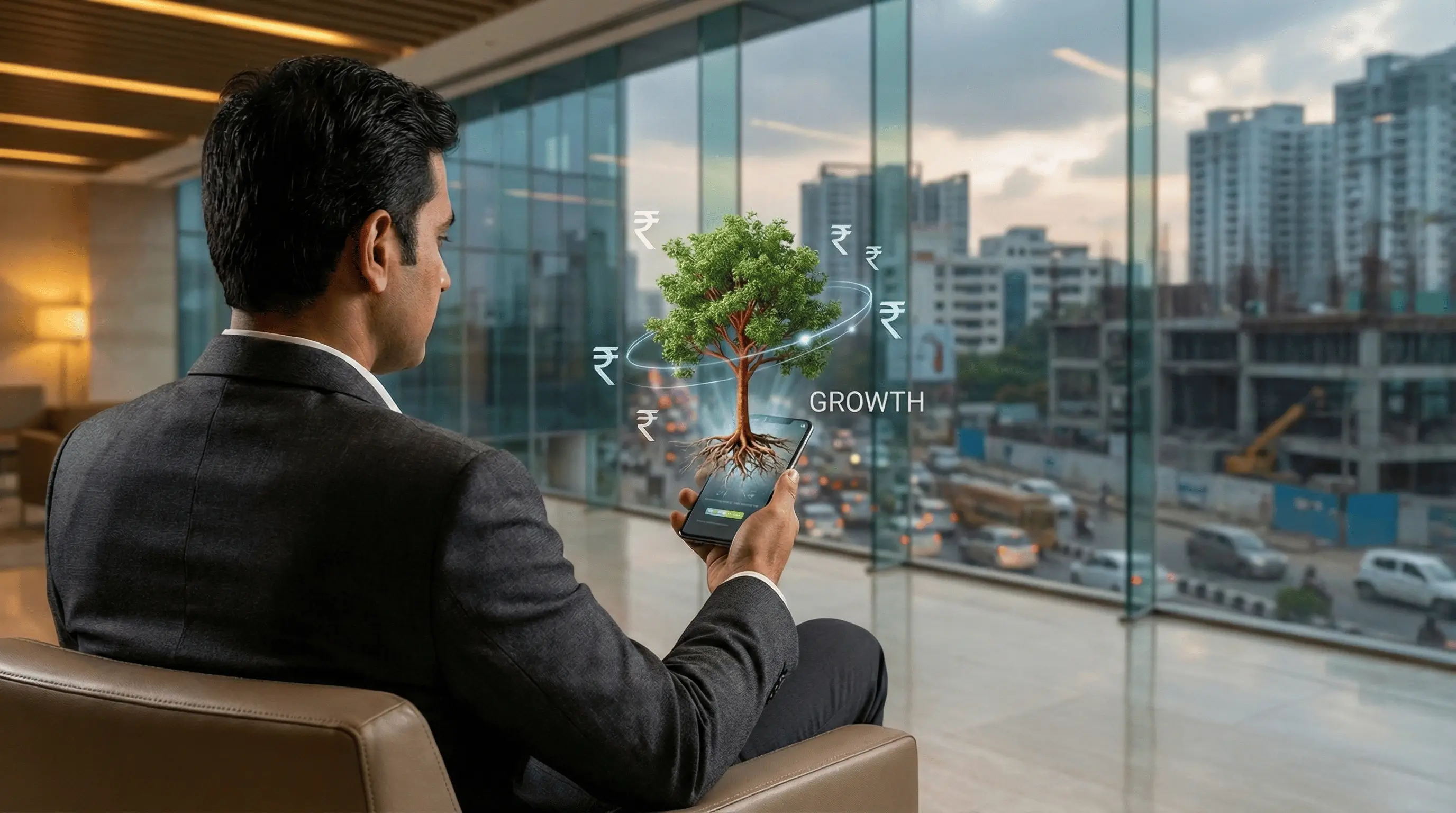
With access to this data, investors can understand how their farmland is performing with high-value crops like sandalwood without visiting the site. This improves confidence and reduces uncertainty, making farmland a more attractive investment option.
In addition to tracking growth, these dashboards also help estimate potential returns. By analyzing crop performance and market trends, investors can get a clear picture of their long-term ROI.
Benefits of Digital Farming in India
Digital farming offers several advantages that make it a valuable tool for modern agriculture and investment. It improves efficiency, reduces resource wastage, and increases crop productivity.
- Improved Efficiency: Automation ensures optimal use of water and nutrients.
- Better Yield: Data-driven farming leads to higher crop productivity.
- Transparency: Real-time monitoring provides complete visibility for investors.
- Reduced Risk: Early detection of issues helps prevent losses.
These benefits make digital farming an essential part of managed farmland projects, especially in high-growth regions like North Bangalore.
Why North Bangalore is Ideal for Digital Farming
North Bangalore is rapidly emerging as a hub for both real estate and agricultural investment. The region offers strong infrastructure, good connectivity, and access to advanced technology.
With the presence of tech companies and research institutions, North Bangalore is well-suited for adopting smart agriculture practices. This makes it an ideal location for managed farmland projects that use digital farming techniques.
As demand for farmland increases, this region is expected to see significant appreciation, making it a strategic investment choice.
Common Questions About Digital Farming in India
1. What is digital farming in India?
Digital farming uses IoT, AI, and smart agriculture technology to monitor crops, soil, and farm performance in real time.
2. How does digital farming help farmland investors?
It allows investors to track farmland growth, crop performance, and ROI remotely through digital dashboards.
3. What is precision farming?
Precision farming uses data-driven methods to optimize irrigation, nutrients, and crop yield.
4. Is digital farming profitable in India?
Yes, it improves efficiency, reduces costs, and increases yield, making farming more profitable.
5. How can I track my farmland investment online?
You can use digital dashboards and mobile apps to monitor crop growth, land performance, and returns.
6. What technologies are used in digital farming?
Technologies include IoT sensors, drones, AI analytics, and satellite monitoring.
7. Why is digital farming important in India?
It improves productivity, transparency, and supports modern agricultural investment.
Conclusion
Digital farming in India is redefining how farmland is managed and how investors track their investments. With the integration of smart agriculture technology, farmland has become more transparent, efficient, and reliable.
For investors looking for a modern, data-driven investment option, managed farmland with digital tracking offers a strong combination of growth, security, and long-term returns. As technology continues to evolve, digital farming will play a key role in shaping the future of agricultural investment in India.