
How Plot Investments Can Contribute to a Greener and More Sustainable Future
When people think about investing in plots, financial returns are often the first thing that comes to mind.
Location, future appreciation, infrastructure development, and long-term value are all important considerations for buyers.
However, there is another aspect of plot ownership that deserves attention.
The environmental impact of responsible land development.
As cities continue to expand and natural spaces become increasingly limited, sustainable land use has become more important than ever.
Thoughtfully planned plot developments can contribute to greener surroundings, better resource management, and healthier communities.
This raises an interesting question:
Can investing in plots support environmental sustainability?
In many cases, the answer is yes.
Can Investing in Plots Support Environmental Sustainability? Quick Answer
Yes. Well-planned plot developments can support environmental sustainability through green spaces, groundwater recharge, biodiversity preservation, responsible infrastructure, and long-term environmental planning.
The Growing Importance of Sustainable Development
\As Bangalore continues to expand, environmentally conscious land planning is becoming increasingly important for creating healthier and more sustainable communities.
Urban growth is a natural part of economic progress.
As populations increase, the demand for housing, infrastructure, and community spaces also rises.
However, rapid development can place pressure on natural ecosystems if environmental considerations are overlooked.
This is why sustainable planning has become an essential part of modern real estate development.
Projects that incorporate green spaces, responsible land use, and environmental awareness help create healthier environments for future generations.
Preserving Green Spaces Within Communities
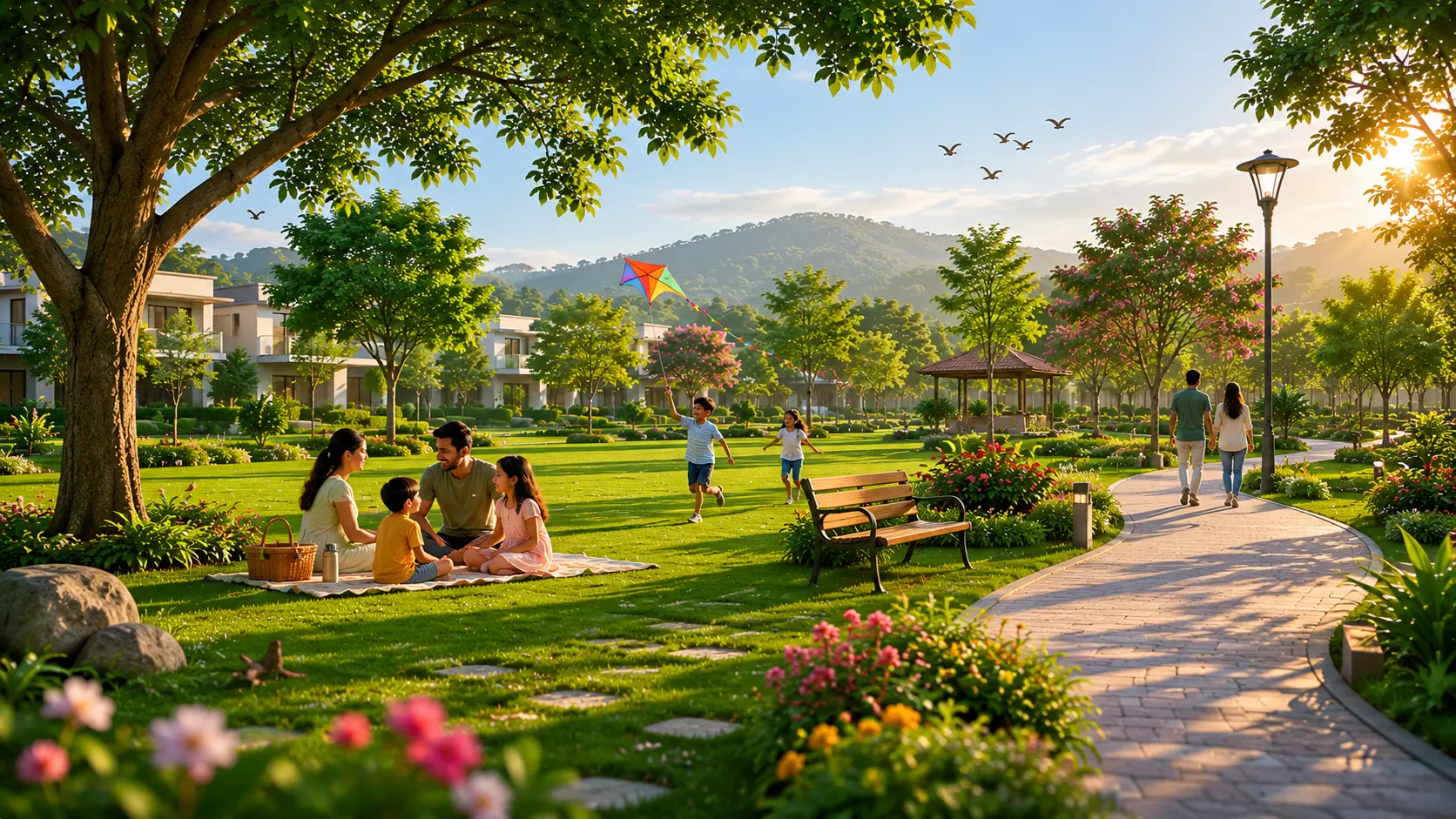
One of the biggest environmental advantages of well-planned plot developments is the opportunity to preserve greenery.
Parks, landscaped areas, avenue plantations, and open community spaces help maintain ecological balance while improving the quality of life for residents.
These green spaces provide shade, support biodiversity, and create more pleasant surroundings.
They also contribute to improved air quality and help reduce the urban heat effect commonly experienced in densely built areas.
Supporting Groundwater Recharge
Water conservation is becoming a major priority in many growing cities.
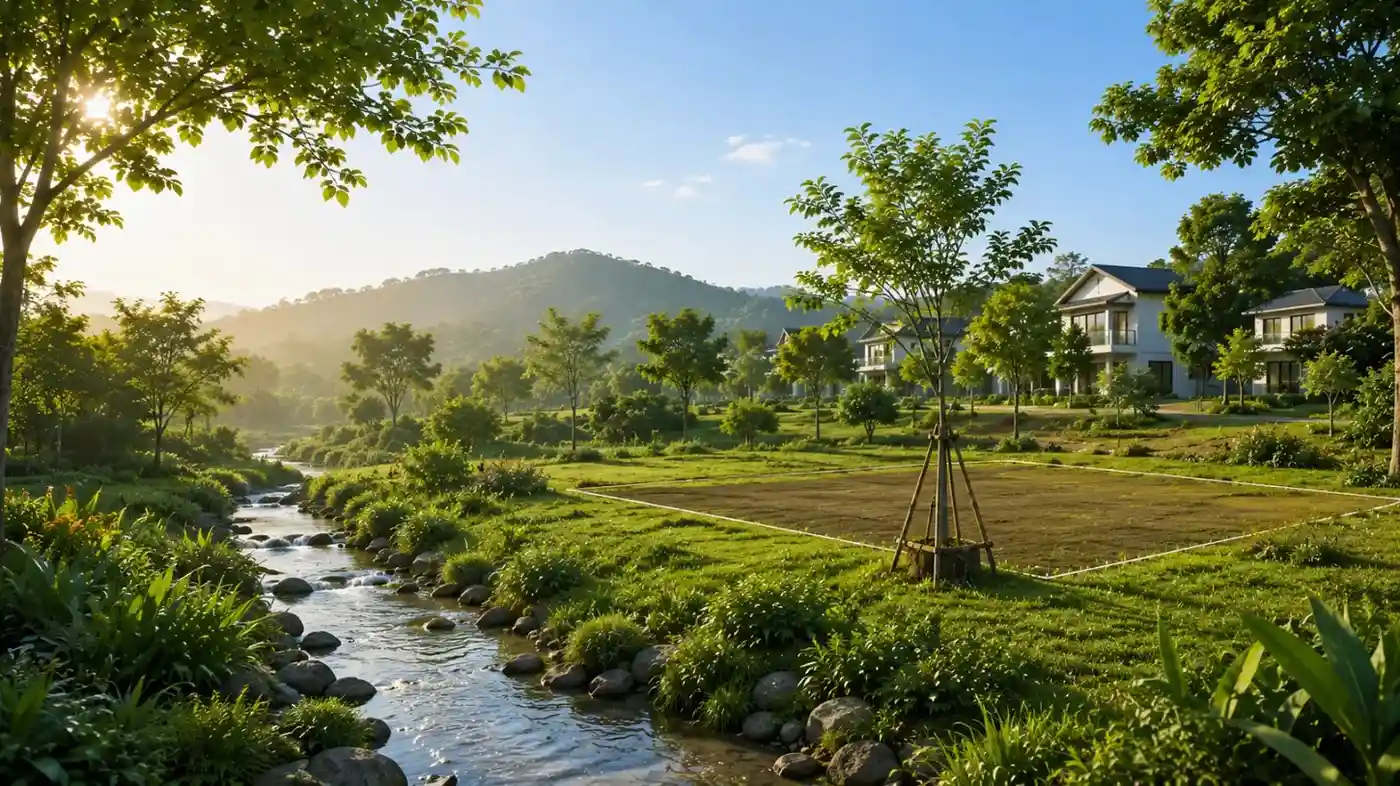
Properly planned plot developments often include drainage systems, rainwater harvesting measures, and permeable landscapes that support groundwater recharge.
Unlike heavily concreted environments where rainwater quickly runs off, open land areas allow water to naturally seep into the ground.
This helps replenish underground water reserves and contributes to long-term water sustainability.
Reducing Urban Heat and Improving Microclimates
Trees and green landscapes play an important role in regulating temperatures.
Areas with adequate vegetation often experience lower surface temperatures compared to heavily built-up regions.
Green cover helps reduce heat absorption while creating a more comfortable outdoor environment.
As climate concerns continue to grow, maintaining vegetation within residential developments becomes increasingly valuable.
Encouraging Biodiversity
Even relatively small green spaces can support local biodiversity.
Trees, flowering plants, and landscaped areas often attract birds, butterflies, pollinators, and other beneficial species.
These interactions help maintain healthy ecosystems and contribute to environmental resilience.
Responsible plot development can therefore support both human communities and natural habitats.
Creating Healthier Living Environments
The benefits of environmentally conscious developments extend beyond nature.
Residents also benefit from cleaner surroundings, better aesthetics, and greater access to open spaces.
Studies consistently show that access to greenery contributes positively to physical well-being and overall quality of life.
Living near parks, landscaped gardens, and tree-lined streets often creates a more enjoyable and balanced lifestyle.
The Role of Responsible Infrastructure
Sustainability is not only about preserving nature.
It is also about developing infrastructure responsibly.
Efficient road planning, proper drainage systems, energy-conscious designs, and environmentally friendly landscaping all contribute to more sustainable communities.
Developments that prioritize these elements often create long-term benefits for both residents and the environment.
Long-Term Environmental Value
Investing in plots can be viewed as more than a financial decision.
When land is developed thoughtfully, it can contribute to environmental improvement while supporting future growth.
The preservation of green spaces, water resources, and ecological balance creates lasting value that extends beyond property appreciation.
This broader perspective is becoming increasingly important among modern investors.
Why Sustainable plot investments Are Gaining Attention
Today's buyers are looking for more than just location and price.
Many people want developments that align with long-term environmental and lifestyle goals.
Projects that prioritize sustainability often offer a better balance between growth and environmental responsibility.
As awareness continues to increase, sustainable plot developments are expected to play an important role in shaping future communities.
Environmental Benefits of Plot Investments: Frequently Asked Questions
1. Can investing in plots support environmental sustainability?
Yes. Sustainable plot developments can help preserve green spaces, support water conservation, and encourage responsible land use.
2. How do green spaces benefit residential communities?
Green spaces improve air quality, provide shade, support biodiversity, and create healthier living environments.
3. What role do plots play in groundwater recharge?
Open land areas allow rainwater to naturally seep into the ground, helping replenish underground water reserves.
4. Can plot developments help reduce urban heat?
Yes. Tree cover and landscaped areas help lower temperatures and create more comfortable outdoor environments.
5. Why is biodiversity important in residential developments?
Biodiversity supports healthy ecosystems by encouraging birds, pollinators, and other beneficial species.
6. What makes a plot development sustainable?
Responsible infrastructure and environmental planning including green spaces, water management, and efficient land use contribute to sustainability.
7. Why are environmentally conscious plot investments becoming popular?
Environmentally conscious plot investments offer a balance between long-term growth, lifestyle benefits, and environmental responsibility.
Conclusion
Investing in plots is often viewed through the lens of future appreciation and financial returns.
However, the environmental benefits associated with responsible land development are equally important.
Green spaces, groundwater recharge, biodiversity support, and sustainable infrastructure all contribute to healthier communities and a better quality of life.
As sustainable development continues to gain importance, plot investments have the potential to create value not only for investors but also for the environment and future generations.
Modern buyers increasingly recognize that environmental sustainability and long-term development quality can be just as important as investment potential.