
North Bangalore’s Rise: From Quiet Region to High-Growth Investment Corridor
There was a time when Bangalore was known as a quiet, pensioner-friendly city. The pace was slower, the population was lower, and development was limited to a few industries and public sector establishments.
But over the last few decades, that identity has completely transformed.
With the rise of the IT industry, Bangalore expanded rapidly — especially towards areas like Whitefield, Sarjapur, and Electronic City. These regions became the center of growth, attracting both residential and commercial development.
However, the city did not stop there.
Why North Bangalore is the Next Investment Hub: Quick Answer
North Bangalore is emerging as a major investment hub due to the international airport, rapid infrastructure development, improving connectivity, and availability of land for long-term growth. These factors make it one of the most promising regions for future investment.
The Shift Towards North Bangalore
A major turning point came with the establishment of the Kempegowda International Airport.
Located in the northern part of the city, the airport changed how development began to spread. What was once considered a relatively quiet region started gaining attention as a strategic growth corridor.
Over time, this shift brought large-scale infrastructure and planning into North Bangalore.
Infrastructure Driving Growth
Several key developments have played a role in shaping this region:
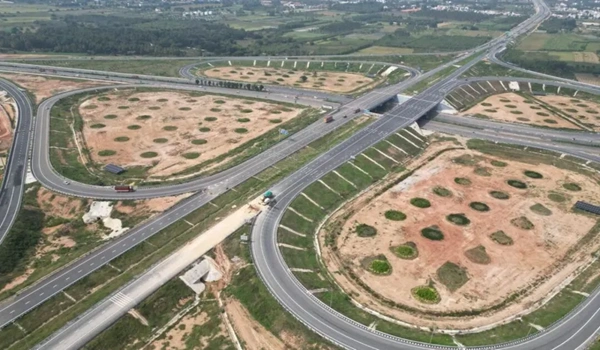
The presence of industrial zones like hardware parks and upcoming business districts has created strong economic activity. In addition, major road networks like the Satellite Town Ring Road (STRR) are improving connectivity across regions.
These developments are not isolated — they are part of a larger expansion plan that connects Bangalore to surrounding cities and states.
As connectivity improves, accessibility becomes easier, and that directly impacts land value.
Expansion Beyond the City
One of the unique aspects of North Bangalore is its geographical advantage.
As you move further north, the city gradually connects to neighboring regions and even other states within a few hours of travel.
This creates a broader development belt — not just limited to the city itself, but extending into surrounding growth zones.
Because of this, both residential and plotted developments have started expanding steadily in this direction.
Why land is Becoming More Valuable
As Bangalore continues to grow, land within the city is becoming increasingly limited.
This naturally shifts demand towards emerging regions where space is still available and development is ongoing.
North Bangalore fits this pattern perfectly.
With increasing residential projects, plotted developments, and farmland opportunities, the region is gradually turning into a preferred choice for long-term investment.
The Advantage of Climate and Geography
Beyond infrastructure, North Bangalore also benefits from favorable natural conditions.
Areas around Nandi Hills and surrounding regions are known for relatively stable weather patterns and moderate rainfall.
The climate generally remains comfortable compared to more urbanized zones, making it suitable not just for residential development but also for agricultural and farmland projects.
This balance between development and natural environment adds to the region’s long-term appeal.

A Growing Hub for Multiple investment Types
North Bangalore is not limited to one type of development.
It is evolving across multiple segments:
Residential layouts, plotted developments, industrial zones, and farmland projects are all growing simultaneously.
This diversity creates a strong ecosystem where both end-users and investors find opportunities.
Why Investors Are Looking at North Bangalore
For many investors, the focus today is shifting towards regions that offer both present value and future growth.
North Bangalore stands out because of:
Its proximity to the international airport, improving infrastructure, expanding residential zones, and connection to larger economic corridors.
All these factors together create a strong foundation for long-term appreciation.
A Long-Term Perspective on Growth
Development in North Bangalore is not happening overnight.
It is part of a steady, long-term expansion driven by infrastructure, planning, and demand.
As the city continues to grow outward, regions like this are likely to play a key role in shaping Bangalore’s future landscape.
North Bangalore Investment: Key Questions You Should Know
1. Why is North Bangalore becoming a major investment hub?
North Bangalore is growing rapidly due to the international airport, infrastructure development, and expanding residential projects, making it one of the most promising regions for long-term investment.
2. Is North Bangalore good for real estate investment?
Yes, North Bangalore offers strong potential for real estate investment due to increasing demand, improving connectivity, and proximity to key economic zones.
3. What are the key developments driving North Bangalore growth?
Major factors include Kempegowda International Airport, STRR road connectivity, industrial parks, and upcoming residential layouts that are shaping the region’s growth.
4. Is North Bangalore suitable for farmland investment?
Yes, North Bangalore is ideal for farmland investment due to its climate, open land availability, and long-term appreciation potential in developing zones.
5. How is the connectivity in North Bangalore?
The region has excellent connectivity through highways, STRR, and direct access to the international airport, making it convenient for both residential and investment purposes.
6. What makes North Bangalore different from other parts of the city?
Unlike saturated zones, North Bangalore still offers open spaces, planned development, and future growth opportunities, making it attractive for long-term investors.
7. Who should invest in North Bangalore?
Investors, professionals, and buyers looking for long-term land or property appreciation should consider North Bangalore as a strategic investment location.
For investors looking at long-term growth, North Bangalore is not just about location—it is about timing, where early entry into developing zones can create significant value over time.
Conclusion
North Bangalore is no longer just an extension of the city — it is becoming a growth center of its own.
With strong infrastructure, strategic location, and favorable conditions, it offers a unique combination of accessibility and future potential.
For those looking at long-term investments — whether in residential plots or farmland — this region presents an opportunity that is steadily gaining importance.