
Understanding Sustainable Agriculture: Organic Farming Myths vs Reality
Organic farming has gained massive popularity as people prioritize health and environmental sustainability. However, for those exploring managed farmland investment near Bangalore, it is vital to distinguish between marketing buzzwords and agricultural reality.
At Neralu Farms, we operate with"Grounded Authority," valuing transparency over marketing fluff. Understanding farmland as a long-term smart investment in India helps investors make informed decisions.
Myth 1: Organic Farming Is 100% Chemical-Free
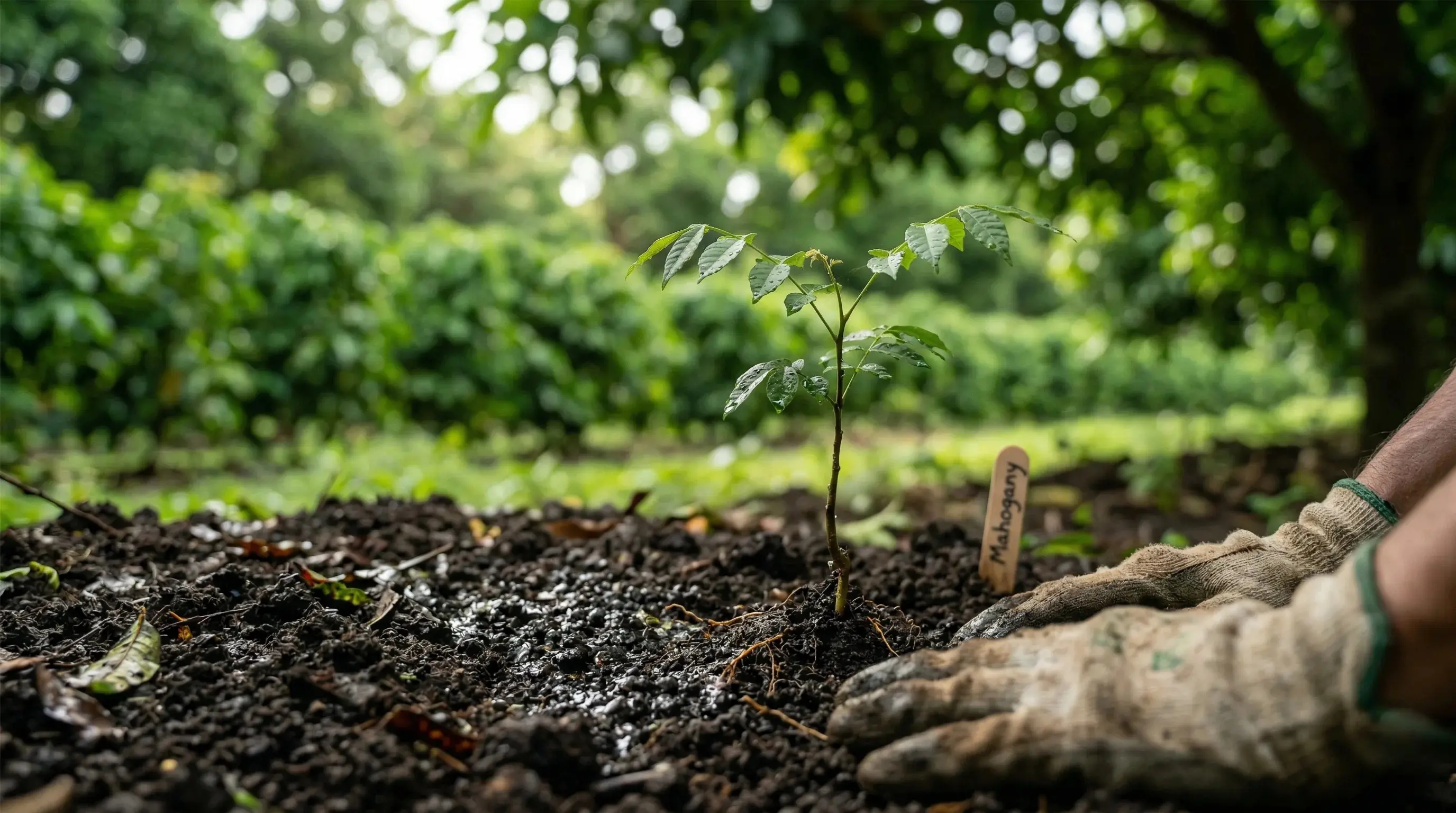
A common belief is that organic farming involves zero chemicals. In reality, while we avoid synthetic, petroleum-based chemicals, we utilize sophisticated natural chemical inputs to protect high-value assets like Sandalwood and Mahogany:
- Neem-based formulations: Natural pest control for organic plantations.
- Biofertilizers: Solutions that enhance soil biology and carbon levels.
- Microbial solutions: Beneficial bacteria that strengthen plant immunity.
Myth 2: 100% Organic Farming is Easily Achieved
Achieving 100% organic status in large-scale managed farmland plantation projects is challenging due to aggressive tropical pests. We advocate for the "99% Natural + 1% Controlled" approach to ensure crop survival and your long-term financial viability.
For investors considering premium plantation opportunities, sandalwood farming in Karnataka has emerged as one of the most attractive long-term assets.
Is Managed Farmland a Good Investment?
Yes. Managed farmland offers a unique proposition for urban investors. Beyond the peaceful lifestyle, smart investors can leverage the tax benefits of farmland in India and understand farmland ROI and appreciation trends to build a strong long-term agricultural portfolio.
Organic Farming in India: The Reality Check
1. Which organic farming is most profitable in India?
Integrated organic farming with high-value crops like sandalwood, mahogany, and medicinal plants is the most profitable model. These crops offer long-term growth and strong returns when managed professionally.
2. Which state is No. 1 in organic farming?
Sikkim is India’s first fully organic state, while Karnataka is rapidly emerging as a hub for managed organic farmland and commercial plantation models.
3. What are the four types of organic farming?
The main types are Pure Organic Farming, Integrated Organic Farming, Natural Farming (ZBNF), and Sustainable Farming. Modern managed farms typically use a balanced sustainable approach.
4. What percentage of farming in India is organic?
Organic farming currently covers a small percentage of total agricultural land in India, but it is growing steadily due to rising demand and sustainability awareness.
5. Is farmland a good investment in India?
Yes. Farmland offers long-term appreciation, tax-free agricultural income, and passive income potential, especially when combined with professional farm management .
6. What returns can you expect from farmland investment?
Returns depend on crop type and location, but high-value plantations can generate strong long-term ROI along with land appreciation benefits.
7. Why is organic farming considered the future of agriculture?
It supports sustainability, improves soil health, and aligns with global demand for eco-friendly farming practices.

Signs of a Truly Sustainable Farm
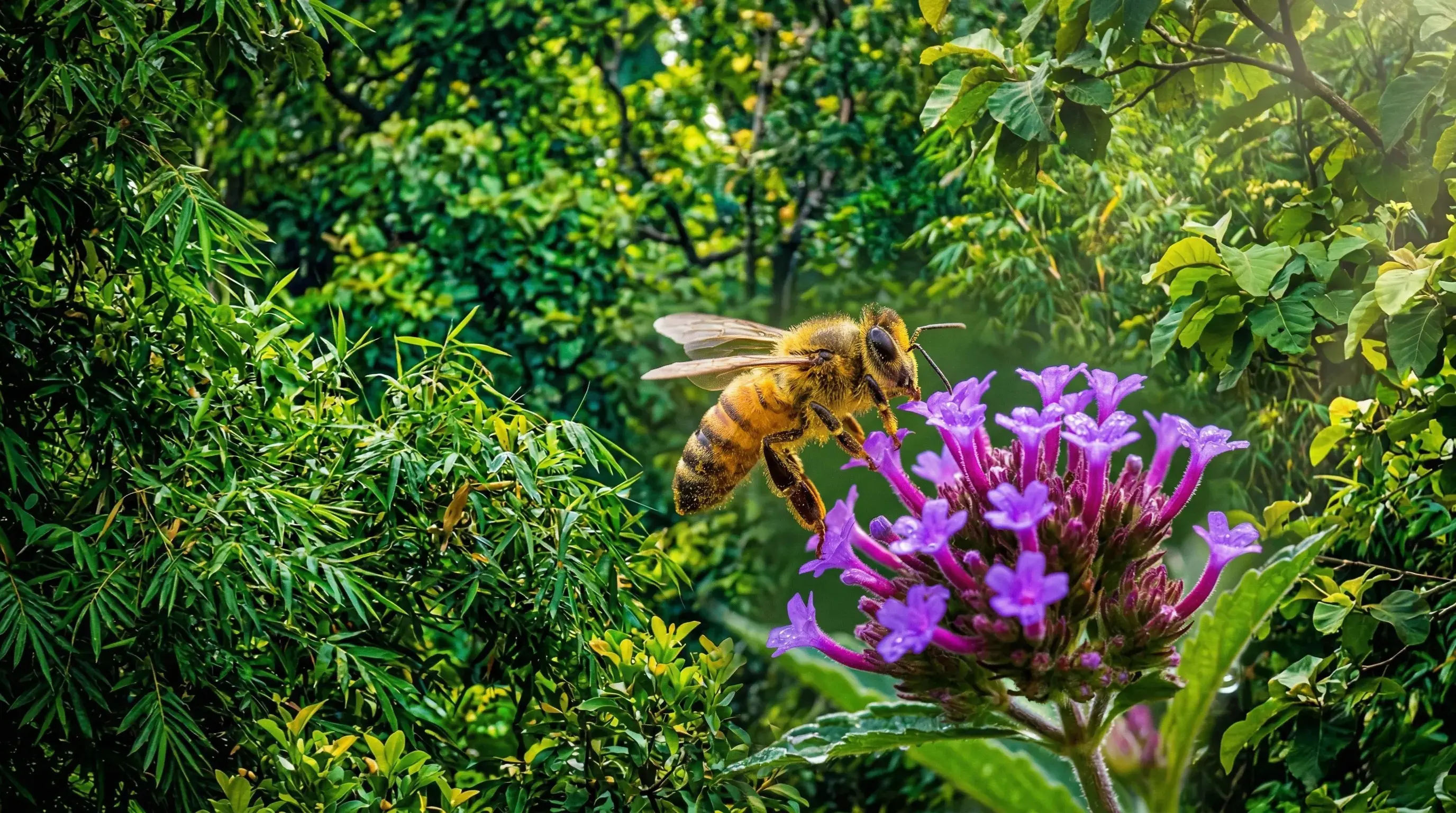
- Honeybees & Pollinators: Indicates zero toxic pesticides.
- Earthworms: Shows healthy soil.
- Biodiversity: Reflects ecological balance.
Explore More on Farmland Investment
- Why farmland is a smart investment in India
- Farmland ROI and appreciation
- Managed farmland near Bangalore
Conclusion
Organic farming is not about perfection—it is about responsibility. By adopting 99% natural farming, we ensure sustainability and long-term value.
Would you like to visit our sustainable estates this weekend? Contact us for a site visit.