
Understanding Managed Farmland: A Practical Approach to Modern Land Ownership
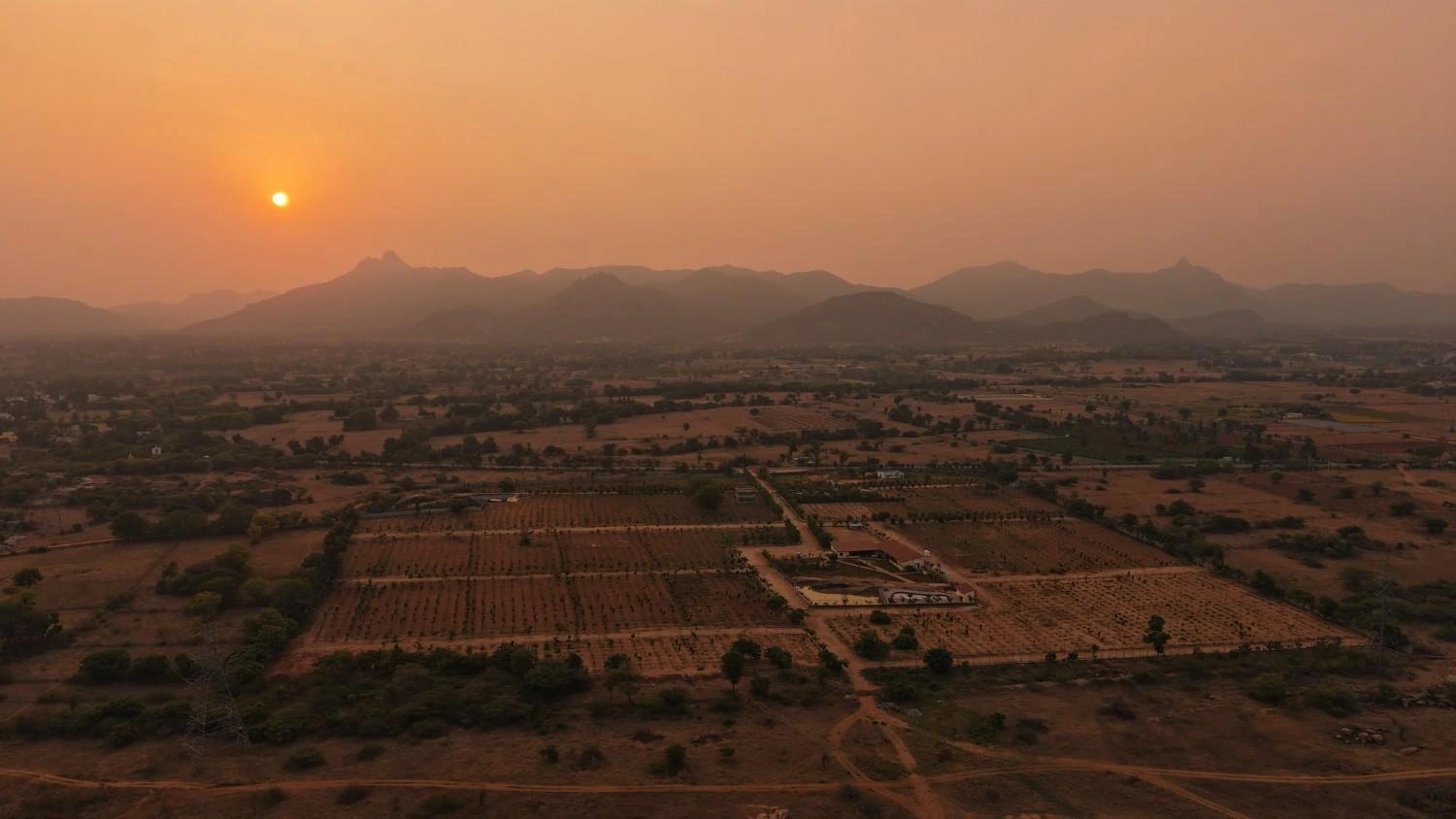
Owning farmland sounds simple in theory. You buy land, grow crops, and benefit from it over time. But in reality, agriculture demands consistent attention, timely decisions, and practical knowledge.
This is where managed farmland introduces a different approach — one that allows people to own agricultural land without being involved in its daily operations.
Especially for those living in cities like Bangalore, managed farmland is becoming a practical way to stay connected to land while avoiding the challenges of managing it personally.
What is Managed Farmland? Quick Answer
Managed farmland is agricultural land that is professionally maintained by experts, where all farming activities like cultivation, irrigation, and crop care are handled, allowing investors to own land without managing it daily.
What is Managed Farmland?
Managed farmland is agricultural land that is professionally maintained by a dedicated team. Instead of the owner handling farming activities, experienced professionals take care of everything — from cultivation to maintenance.
This includes activities like crop planning, irrigation, fertilization, and protection against pests and diseases. The entire process is handled systematically, ensuring that the land remains productive over time.
For the owner, this means the land continues to grow and function without requiring constant physical presence.
Why Farming Requires Continuous Attention
Agriculture is not something that can be managed occasionally. Every crop has its own lifecycle and requires timely care.
For example, fruit crops like mango need close monitoring during flowering and fruiting stages. During this period, they are vulnerable to issues like fungal infections and pest attacks.
If these are not addressed immediately, it can impact the entire yield. For someone who is not regularly present on the farm, handling such situations becomes difficult.
Managed farmland solves this by ensuring that trained professionals are always available to take action at the right time.
Managed Farmland vs Regular Farmland
One of the biggest differences lies in how the land is handled after purchase.
In regular farmland, the owner is responsible for everything — from hiring labor to managing crops and dealing with unexpected challenges.
In managed farmland, these responsibilities are handled by a professional team. The systems are already in place, allowing the land to be maintained without depending on the owner’s availability.
Legal Clarity and Safer Ownership
Buying agricultural land independently often comes with uncertainties. Verifying documents, understanding land history, and dealing with local processes can be complex.
Managed farmland projects are usually developed after thorough legal verification. The land is organized, documented, and structured before being offered to buyers.
This provides a higher level of clarity and reduces the risk of complications later.
Designed for Modern Landowners
Today, many farmland buyers are not full-time farmers. They are professionals, business owners, or individuals living in urban areas.
For them, visiting farmland frequently is not practical.
Managed farmland is designed to address this gap. It allows owners to visit occasionally, enjoy the space, and still have the confidence that the land is being taken care of in their absence.
The Role of Expertise in Farm Management
Different crops require different types of care. What affects one crop may not affect another.
This is where agricultural expertise becomes important. Managed farmland projects often involve specialists who understand crop behavior, seasonal requirements, and proper maintenance practices.
This ensures that the land is handled with consistency and knowledge, rather than guesswork.
Long-Term Value and Returns
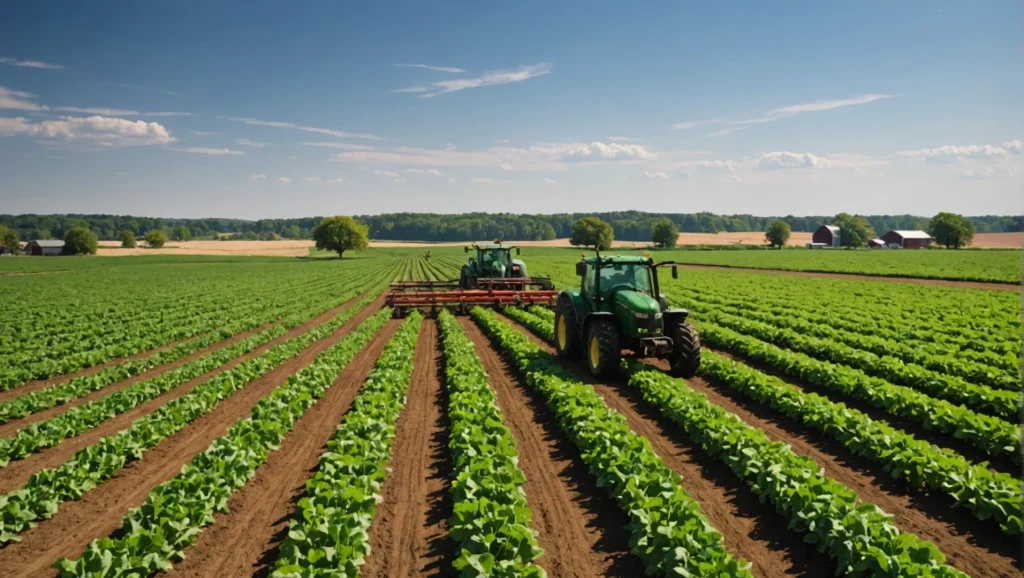
Managed farmland is not just about maintaining land — it is also about building value over time.
Depending on the type of plantation, owners may benefit from seasonal income as well as long-term returns from crops or timber.
While some returns are visible in the short term, others develop gradually, making farmland a long-term asset rather than a quick investment.
A Community-Led Farmland Experience
Many managed farmland projects are designed as organized communities. The land is divided into clear parcels, often within a gated and secured environment.
This creates a shared space where multiple owners are part of the same landscape, without compromising on openness or natural surroundings.
Unlike urban layouts, these spaces remain closer to nature — with open land, minimal construction, and a quieter environment.
A Different Perspective on Land Ownership
Managed farmland changes how people experience land ownership.
Instead of being tied to daily responsibilities, owners can focus on the long-term value of the land and their personal connection to it.
It becomes less about managing tasks and more about allowing the land to grow steadily over time.
Managed Farmland: Key Questions Before You Invest Near Bangalore
1. What is managed farmland?
Managed farmland is agricultural land that is professionally maintained by experts, where all farming activities like cultivation, irrigation, and crop care are handled, making ownership simple for investors.
2. How is managed farmland different from regular farmland?
Unlike traditional land, managed farmland does not require daily involvement from the owner, as a dedicated team takes care of operations, maintenance, and crop management.
3. Is managed farmland a good investment near Bangalore?
Yes, managed farmland near Bangalore is gaining attention for its long-term value, land appreciation, and growing demand as the city expands into surrounding regions.
4. Do I need farming experience to invest in managed farmland?
No, managed farmland is designed for people without agricultural knowledge, as experts handle everything from planting to maintenance.
5. What are the main benefits of managed farmland?
The key benefits include professional farm management, legal clarity, passive ownership, and long-term returns through crops and land appreciation.
6. How is farmland maintained in the owner’s absence?
The land is managed by agronomists and trained farm teams who monitor crops, handle pests, and maintain soil health regularly, ensuring consistent productivity.
7. Who should consider investing in managed farmland?
Urban investors, professionals, and long-term buyers looking for land ownership without daily involvement can benefit the most from managed farmland.
Conclusion
Managed farmland offers a practical alternative to traditional farmland ownership.
It combines professional management, legal clarity, and long-term potential, making it suitable for modern buyers who cannot be physically present on the land every day.
For those looking to invest in agricultural land near Bangalore, it provides a balanced approach — where ownership is simple, and the land continues to thrive.