
Understanding the Risks Before Buying Farmland in India
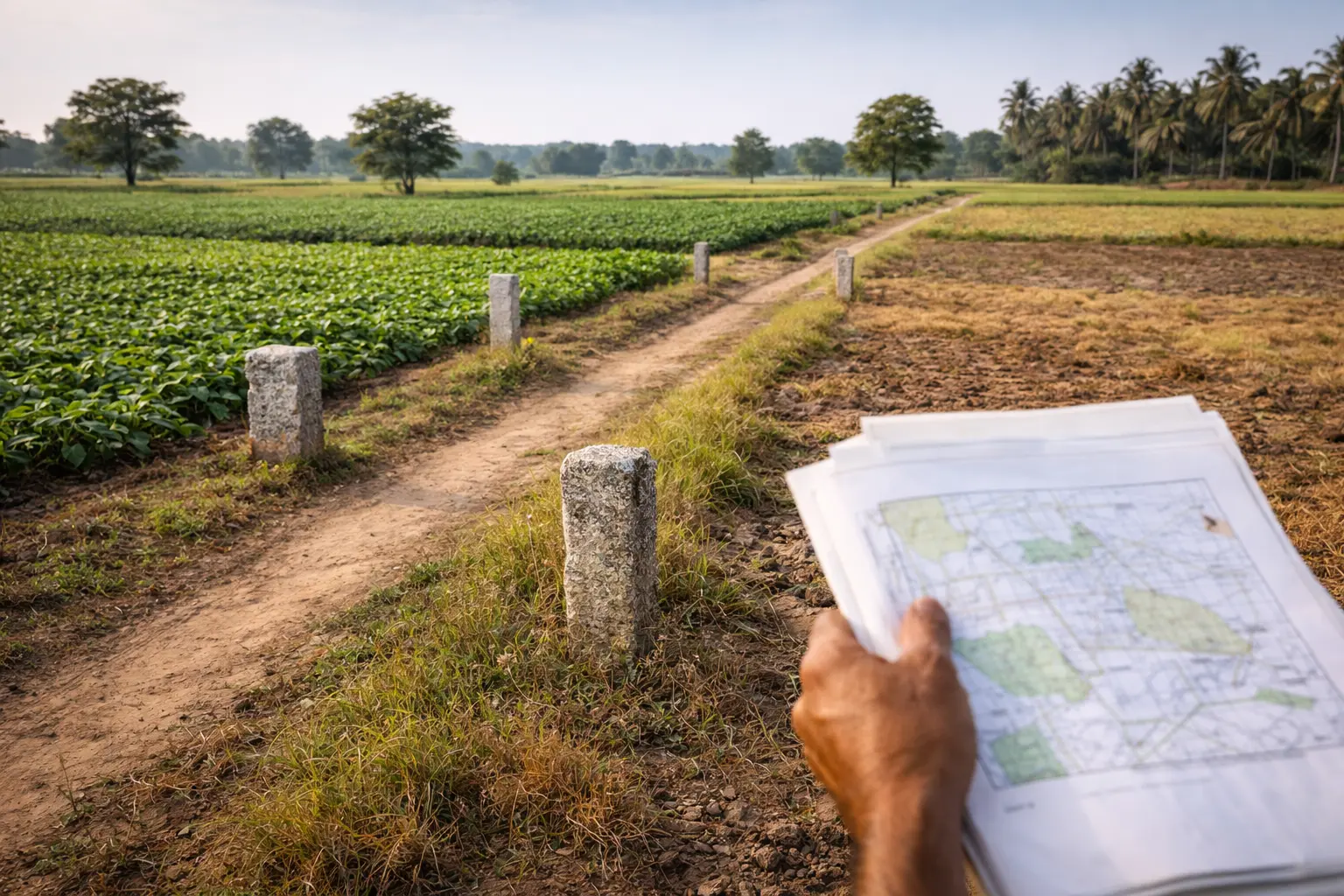
Buying farmland in India is often seen as a safe and long-term investment. Many people are attracted to the idea of owning land, especially in growing areas. However, unlike residential property, agricultural land comes with its own set of risks that are not always obvious at first.
While farmland can offer good returns and lifestyle benefits, it is important to understand the possible challenges before making a decision. Being aware of these risks can help you avoid costly mistakes and make a more informed investment.
Risks of Buying Farmland in India: Quick Answer
The main risks of buying farmland in India include legal disputes, unclear ownership, land conversion challenges, limited liquidity, and uncertain agricultural returns.
Despite these risks, farmland continues to attract investors due to its long-term appreciation potential, tangible asset value, and growing demand near expanding cities like Bangalore.
Legal and Ownership Risks
One of the biggest concerns when buying agricultural land in India is related to legal ownership. Land records in many regions may not always be updated or properly maintained, which can lead to disputes. In some cases, multiple claims on the same property can arise due to unclear titles.
Verifying ownership documents such as the title deed, RTC (Record of Rights), and encumbrance certificate is essential. Without proper verification, buyers may unknowingly invest in disputed or legally restricted land.
Another important factor is state-specific laws. agricultural land regulations vary across India, and eligibility rules can differ significantly. Not checking these rules can create complications later.
Restrictions on Usage and Conversion
Agricultural land cannot always be used freely for construction or commercial purposes. In most cases, it must be converted into non-agricultural land before any development can take place. This conversion process involves approvals, time, and additional costs.
Buyers who assume they can immediately build on farmland often face unexpected delays. Understanding zoning rules and land classification is crucial before making a purchase.
Risk of Land Disputes and Fraud
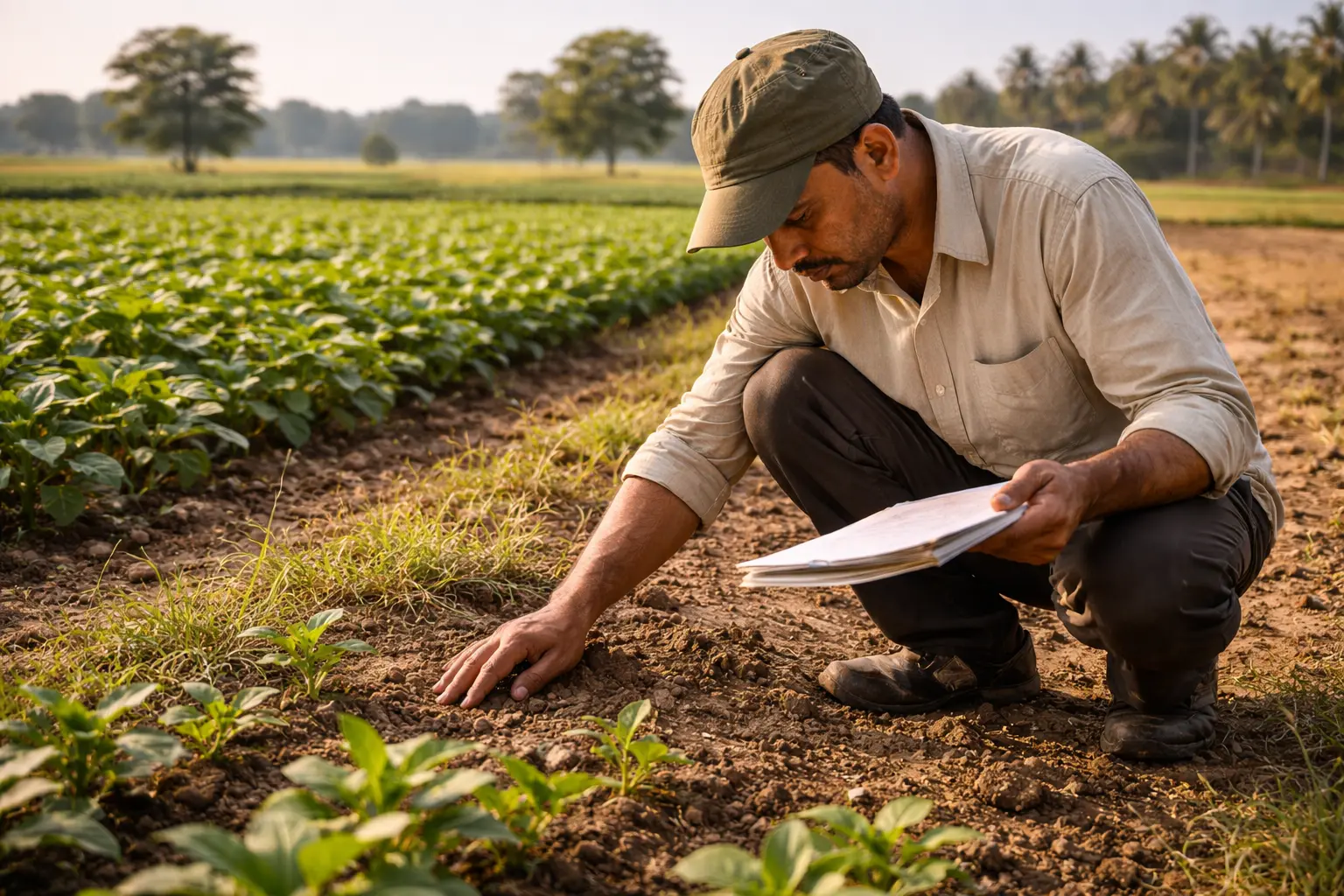
Land disputes are a common issue in many parts of India. These disputes can arise due to unclear ownership, inheritance conflicts, or improper documentation. Resolving such issues can take years and involve legal expenses.
There is also a risk of land fraud, especially for buyers who are unfamiliar with local processes. Fake documents, unauthorized sales, or misrepresentation of land details are some of the common problems.
Conducting proper due diligence and working with reliable professionals can help reduce these risks significantly.
Limited Liquidity and Market Challenges
Unlike residential properties, agricultural land is not always easy to sell quickly. Finding the right buyer can take time, especially in less developed areas. This makes farmland a relatively less liquid investment.
Market demand for agricultural land can also vary depending on location, infrastructure development, and future growth potential. Buyers should be prepared for longer holding periods.
However, in well-developed regions and managed farmland projects, demand can be stronger, which may improve resale potential over time.
Income and Return Uncertainty
While farmland can generate income through farming or leasing, returns are not always guaranteed. Factors such as weather conditions, soil quality, water availability, and market prices can directly affect income.
For investors who are not actively involved in farming, managing agricultural land can also become challenging. This makes it important to have a clear plan before investing.
Things to Check Before Buying Farmland
To reduce risks, buyers should follow a careful approach and verify all important aspects of the property. A few key things to check include:
- Clear title and ownership records
- Land classification and zoning rules
- Access to water and road connectivity
- Local regulations and eligibility criteria
Taking the time to verify these details can help avoid major issues and ensure a smoother buying process.
Common Questions About Risks of Buying Farmland in India
1. What are the risks of buying farmland in India?
The main risks of buying farmland in India include legal disputes, unclear ownership, land conversion issues, and uncertain returns from agricultural activities.
2. Are there legal issues when buying agricultural land in India?
Yes, legal issues in agricultural land can arise due to unclear titles, outdated land records, or state-specific ownership restrictions.
3. Can farmland in India be used for construction?
No, agricultural land cannot be used for construction unless it is legally converted into non-agricultural land through proper approval.
4. Is there a risk of land disputes in farmland purchases?
Yes, land disputes in India are common due to inheritance issues, unclear ownership, or improper documentation.
5. How can buyers avoid land fraud in India?
Buyers can avoid land fraud in India by verifying title documents, checking RTC records, and confirming ownership before purchase.
6. Is farmland a safe investment in India?
Farmland investment in India can be safe if proper legal checks, document verification, and due diligence are completed.
7. What should be checked before buying agricultural land?
Buyers should verify documents required to buy agricultural land, land classification, water access, and legal ownership status.
For investors looking for a safer approach, understanding how to choose the right project becomes important when evaluating managed farmland near Bangalore.
Conclusion
Buying farmland in India can be a rewarding investment, but it is not without risks. Legal complications, usage restrictions, and market challenges are some of the key factors that buyers should consider.
With proper research, document verification, and a clear understanding of local laws, many of these risks can be managed effectively. A well-informed approach not only protects your investment but also helps you make better long-term decisions.