
How Green Land Ownership Supports a Sustainable Future
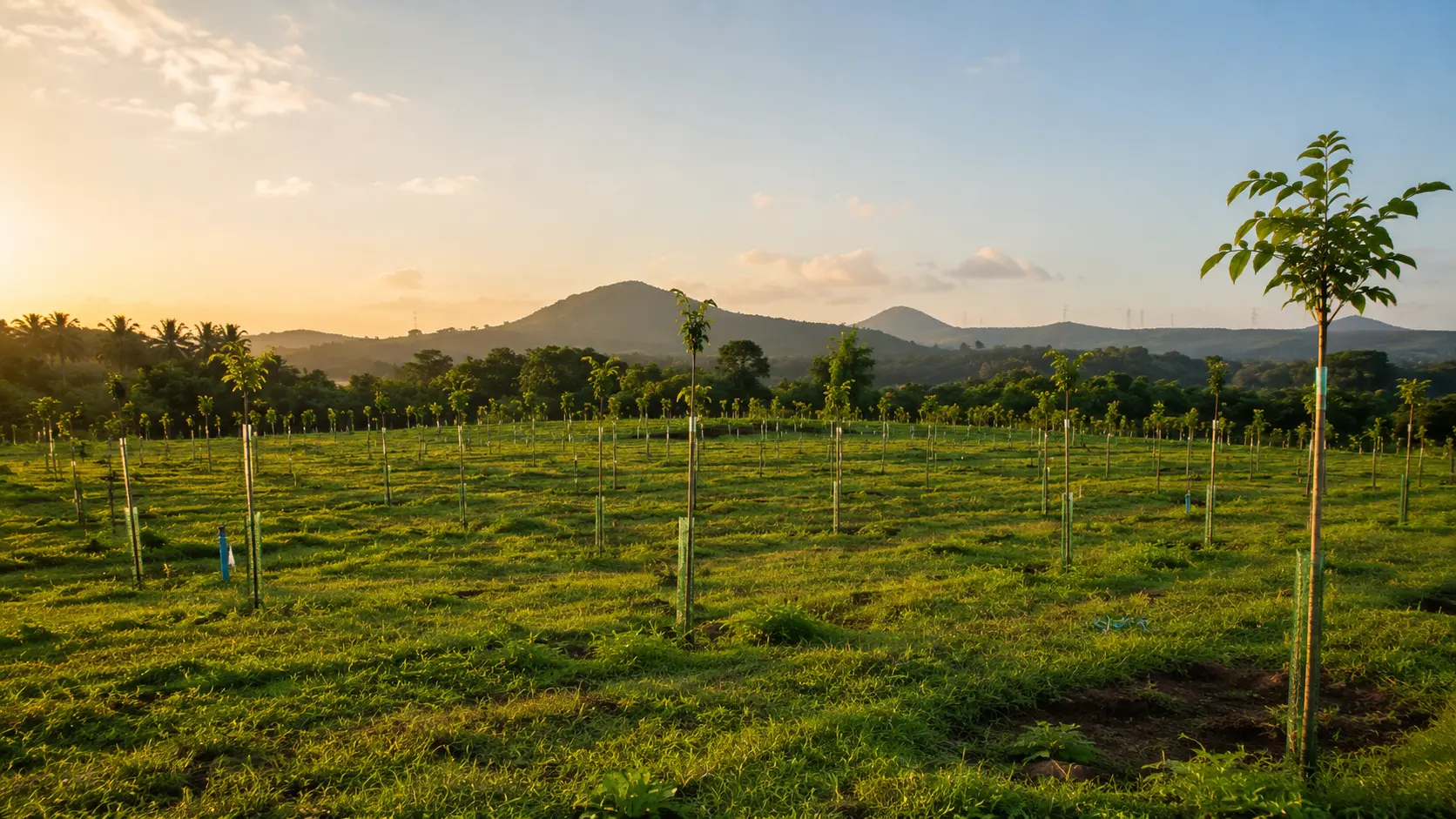
Every year on June 5th, the world comes together to celebrate World Environment Day, a global movement dedicated to protecting nature and promoting sustainable living.
As urbanization continues to expand, preserving green spaces has become more important than ever.
Today, people are looking beyond traditional investments and exploring opportunities that create both environmental and long-term value.
Managed farmland and green land ownership offer a unique way to contribute to environmental conservation while building a valuable asset for the future.
This World Environment Day, it is worth considering how land ownership can positively impact both personal well-being and the planet.
How Does Green Land Ownership Support a Sustainable Future? Quick Answer
Green land ownership supports sustainability by preserving green spaces, encouraging tree growth, protecting biodiversity, improving environmental health, and promoting responsible land management for future generations.
Why Green Spaces Matter More Than Ever
As Bangalore continues to grow rapidly, preserving green spaces and supporting sustainable land development has become increasingly important for maintaining environmental balance and quality of life.
Modern cities provide convenience and opportunity, but they often come with pollution, traffic, and limited access to nature.
Green spaces help create healthier environments by improving air quality and reducing urban heat.
They also provide places where people can reconnect with nature and experience a more balanced lifestyle.
The Environmental Value of Farmland
Farmland is more than an investment opportunity.
When managed responsibly, it supports biodiversity, improves soil health, and contributes to environmental sustainability.
Trees and vegetation help absorb carbon dioxide while creating habitats for birds and other wildlife.
How Trees Contribute to a Healthier Planet
Trees play a critical role in maintaining ecological balance.
They improve air quality, provide shade, reduce soil erosion, and help regulate local temperatures.
Every tree planted today contributes to a greener future for generations to come.
Owning Land with Purpose
Many investors are now seeking opportunities that align with their environmental values.
Owning managed farmland provides a chance to support sustainable land practices while enjoying the benefits of real asset ownership.
It is an investment that offers both personal and environmental rewards.
Sustainable Investments Are Shaping the Future
The concept of investing has evolved significantly in recent years.
People increasingly prefer investments that create a positive impact on society and the environment.
Green land investments represent a meaningful way to support sustainability while building long-term wealth.
Creating a Legacy Through Land Ownership
Land ownership is often viewed as a long-term asset.
When combined with responsible environmental practices, it becomes an opportunity to create a lasting legacy.
Future generations can benefit from greener landscapes, healthier ecosystems, and preserved natural resources.
Managed Farmland and Environmental Responsibility
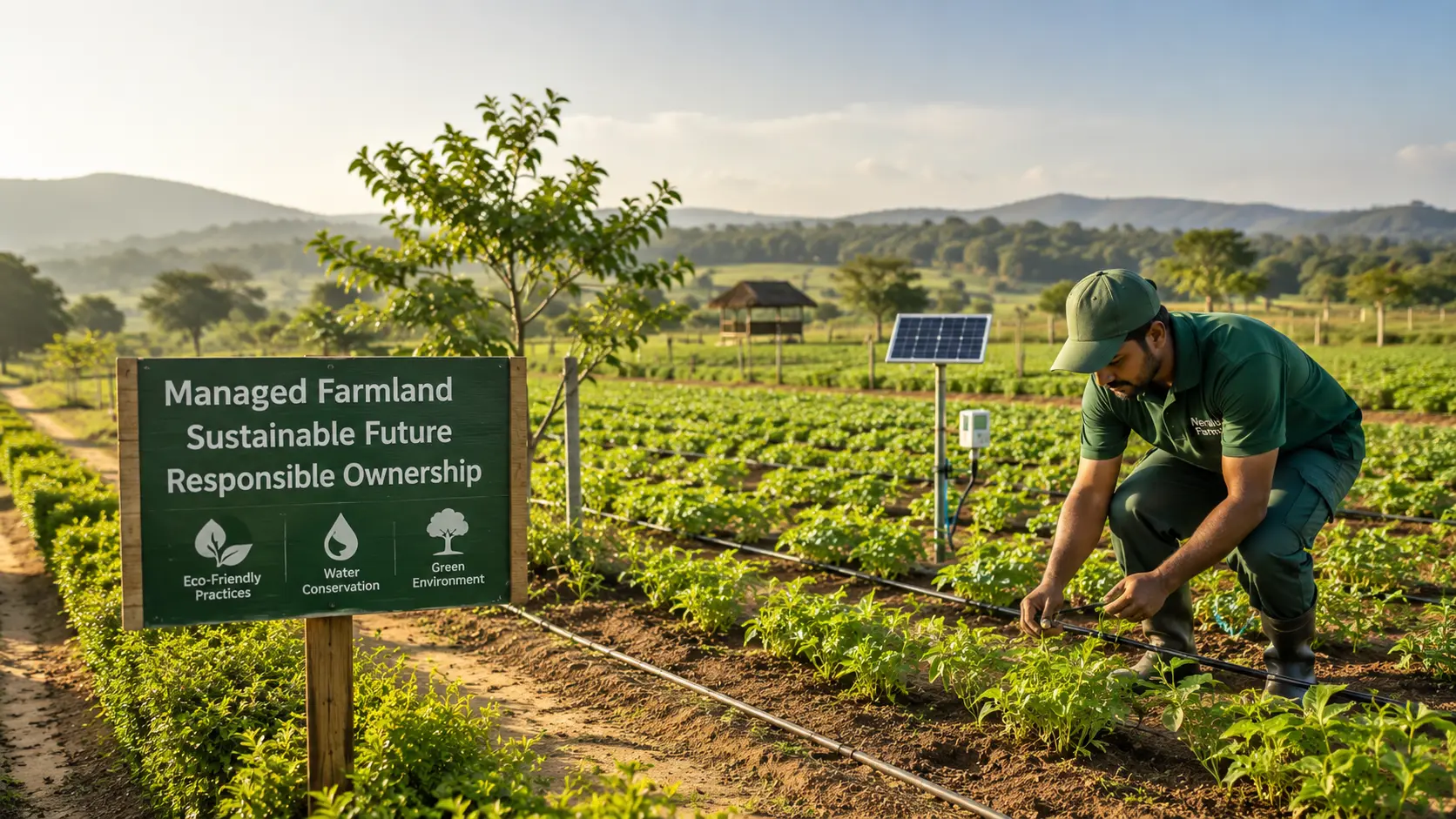
Managed farmland makes it easier for individuals to participate in sustainable land ownership.
Professional management ensures that the land remains productive, environmentally responsible, and well maintained.
This approach allows owners to enjoy the benefits of green investments without the challenges of day-to-day operations.
Why More People Are Choosing Green Land Investments
Environmental awareness is influencing investment decisions across the world.
People are recognizing that preserving green spaces is not only beneficial for nature but also valuable for future generations.
Managed farmlands offer a practical way to contribute to sustainability while owning a tangible asset.
For many investors, it represents a meaningful step toward a greener and more responsible future.
World Environment Day: Frequently Asked Questions
1. Why is World Environment Day celebrated?
World Environment Day is celebrated to raise awareness about environmental protection and encourage sustainable actions worldwide.
2. How does farmland support environmental sustainability?
Farmland supports sustainability through tree growth, biodiversity conservation, soil protection, and carbon absorption.
3. Can land ownership contribute to environmental conservation?
Yes, responsible land ownership can promote tree planting, sustainable farming, and preservation of natural ecosystems.
4. Why are green investments becoming popular?
Many investors seek opportunities that provide both financial value and positive environmental impact.
5. What role do trees play in environmental health?
Trees improve air quality, support biodiversity, reduce carbon dioxide levels, and help maintain ecological balance.
6. Are managed farmlands a sustainable investment?
Yes, managed farmlands combine long-term asset ownership with environmentally responsible land management practices.
7. How can individuals support World Environment Day?
Individuals can support World Environment Day by planting trees, reducing waste, conserving resources, and supporting sustainable initiatives.
Conclusion
World Environment Day reminds us that protecting the environment begins with the choices we make today.
Preserving green spaces and supporting sustainable land use are important steps toward creating a healthier future.
Managed farmland offers a unique opportunity to combine environmental responsibility with long-term value.
By investing in green land, individuals can contribute to a more sustainable world while building an asset that benefits future generations.
Environmental responsibility and long-term land stewardship are becoming increasingly important considerations for modern landowners and investors.