
Farmland vs Traditional Investments: A Different Way to Look at Wealth
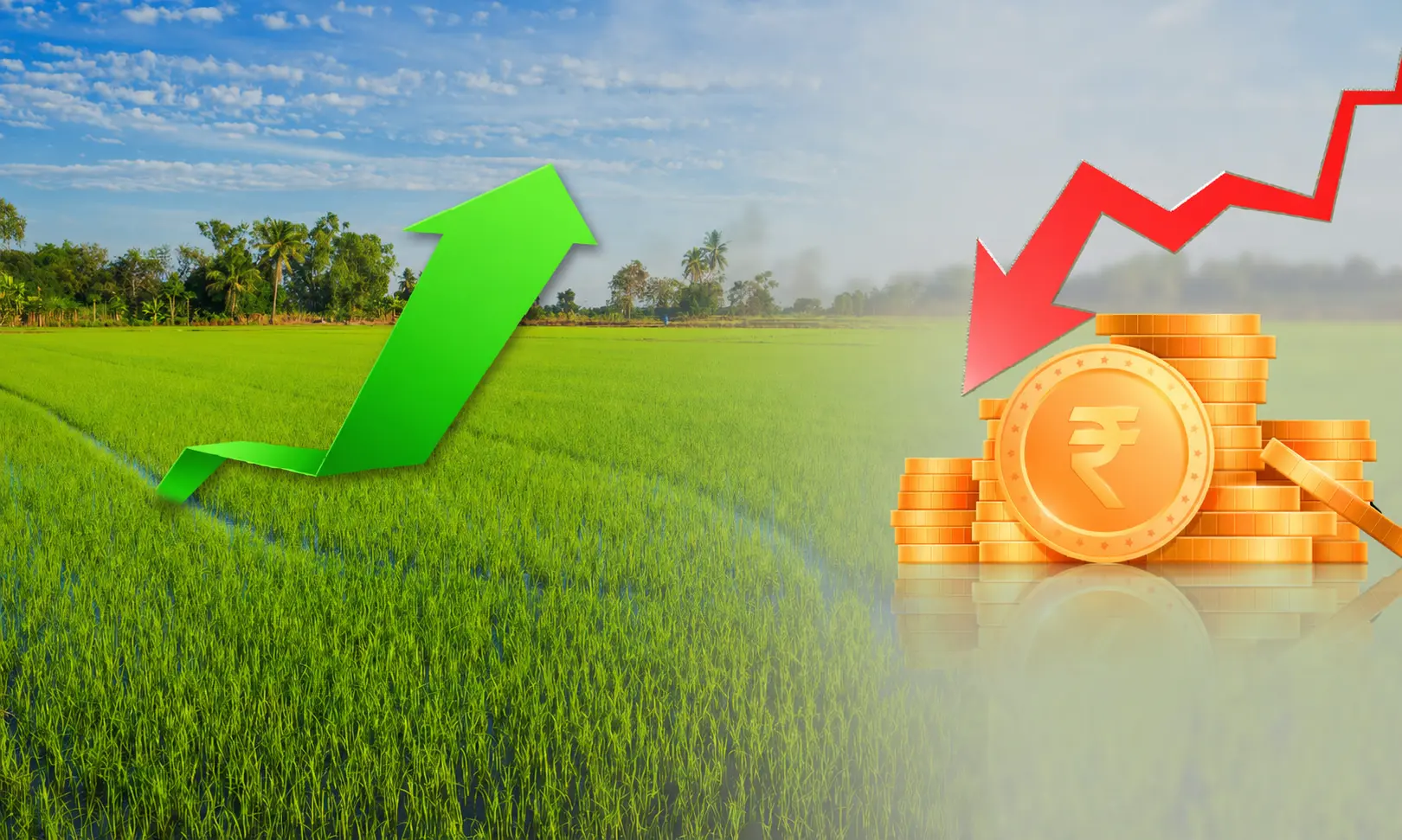
When people think about investing, traditional options like gold, silver, or fixed assets often come to mind first.
These have been trusted for generations. They are familiar, easy to understand, and widely accepted.
But over time, the way people look at investments is slowly changing — especially when it comes to land.
Farmland, in particular, is now being seen not just as an asset, but as something that offers both value and experience.
Is Farmland Better Than gold Investment in India? Quick Answer
Farmland can be a better long-term investment than gold because it offers land ownership, potential income from agriculture, and appreciation driven by location and development, while gold remains a passive asset.
The Connection Between People and Land
India has always had deep roots in agriculture.
Even today, many families have some connection to farming — whether directly or through earlier generations.
But as cities grew and job opportunities shifted, people moved away from rural areas and into urban life.
In that process, the connection with land slowly reduced.
farmland investment brings that connection back — in a way that fits modern lifestyles.
Why Farmland Feels Different from Gold or Silver
Gold and silver are considered safe investments, but they are passive in nature.
You buy them, store them, and wait for their value to increase.
Farmland, on the other hand, is active.
It grows, changes, and develops over time. It is not just something you hold — it is something that evolves.
This makes it fundamentally different from traditional assets.
Land is Limited — And That Matters
One of the biggest advantages of farmland is its scarcity.
Land is a finite resource, and with growing population and expanding cities, available land is becoming more limited.
This naturally increases its long-term value.
Unlike gold, which can be traded globally in large quantities, land is fixed in location — and that makes it more unique.
Multiple Sources of Value
Farmland offers more than one kind of return.
There is the value of the land itself, which may appreciate over time.
Then there are additional benefits through cultivation.
Managed farmland projects often include plantations such as timber trees or fruit crops. These can generate returns over the years, depending on the type of plantation.
This combination of land appreciation and agricultural output creates a more layered investment compared to traditional assets.
Beyond Returns: The Lifestyle Aspect
One of the biggest differences between farmland and other investments is the experience it offers.
Farmland is not just about financial value — it also provides a space to step away from city life.
Spending time on a farm, being around greenery, and engaging with nature creates a different kind of satisfaction.
It becomes a place where you can slow down, rather than something you simply monitor.
A Space for the Future
As work culture evolves, especially with remote and flexible work becoming more common, the idea of living away from dense urban areas is gaining attention.
Farmland opens up that possibility.
With basic infrastructure and connectivity, it can become more than just an investment — it can also be a place to spend time, or even stay for longer periods.
Security and Structured Ownership
Modern farmland projects are often developed with proper planning.
They may include gated layouts, clear land demarcation, and managed maintenance.
This provides a level of structure and security that makes ownership easier, especially for those who are new to farmland.
A Long-Term Perspective
Investments like gold are often looked at in shorter cycles.
Farmland, however, works differently.
It is a long-term asset that grows gradually — both in value and in its overall potential.
The returns may not always be immediate, but they tend to build steadily over time.
Farmland vs Gold: Common Questions Before You Invest
1. Why are people choosing farmland over gold investment?
Many investors prefer farmland because it offers both land ownership and long-term appreciation, unlike gold which remains a passive asset.
2. Is farmland a better long-term investment than gold in India?
In many cases, farmland can provide stronger long-term value due to land scarcity and growing demand, especially near developing regions.
3. What additional benefits does farmland offer compared to gold?
Beyond financial returns, farmland offers lifestyle benefits, nature connection, and potential income from crops or plantations, which gold cannot provide.
4. Does farmland generate income unlike gold?
Yes, farmland can generate income through agricultural activities, timber plantations, or seasonal crops, making it more than just a stored asset.
5. Is farmland a safe investment for beginners?
Managed farmland projects make it easier for beginners, as professionals handle maintenance and operations, reducing the need for farming experience.
6. How does land appreciation compare to gold returns?
Land value tends to grow with infrastructure and development, while gold prices depend on market trends, making farmland more location-driven.
7. Who should consider investing in farmland instead of gold?
Investors looking for long-term growth, passive income, and a connection to land often find farmland a more meaningful alternative to gold.
For investors comparing assets like gold and land, farmland offers a more dynamic approach where both ownership and long-term growth potential work together to create value over time.
Conclusion
Gold and traditional assets will always have their place.
But farmland offers something that goes beyond just financial returns.
It combines land ownership, long-term appreciation, and a connection to nature — all within a single investment.
For those looking at a more balanced and meaningful way to invest, farmland presents a perspective that is both practical and personal.