
The Rise of Eco-Friendly Farmland and Sustainable Living in India
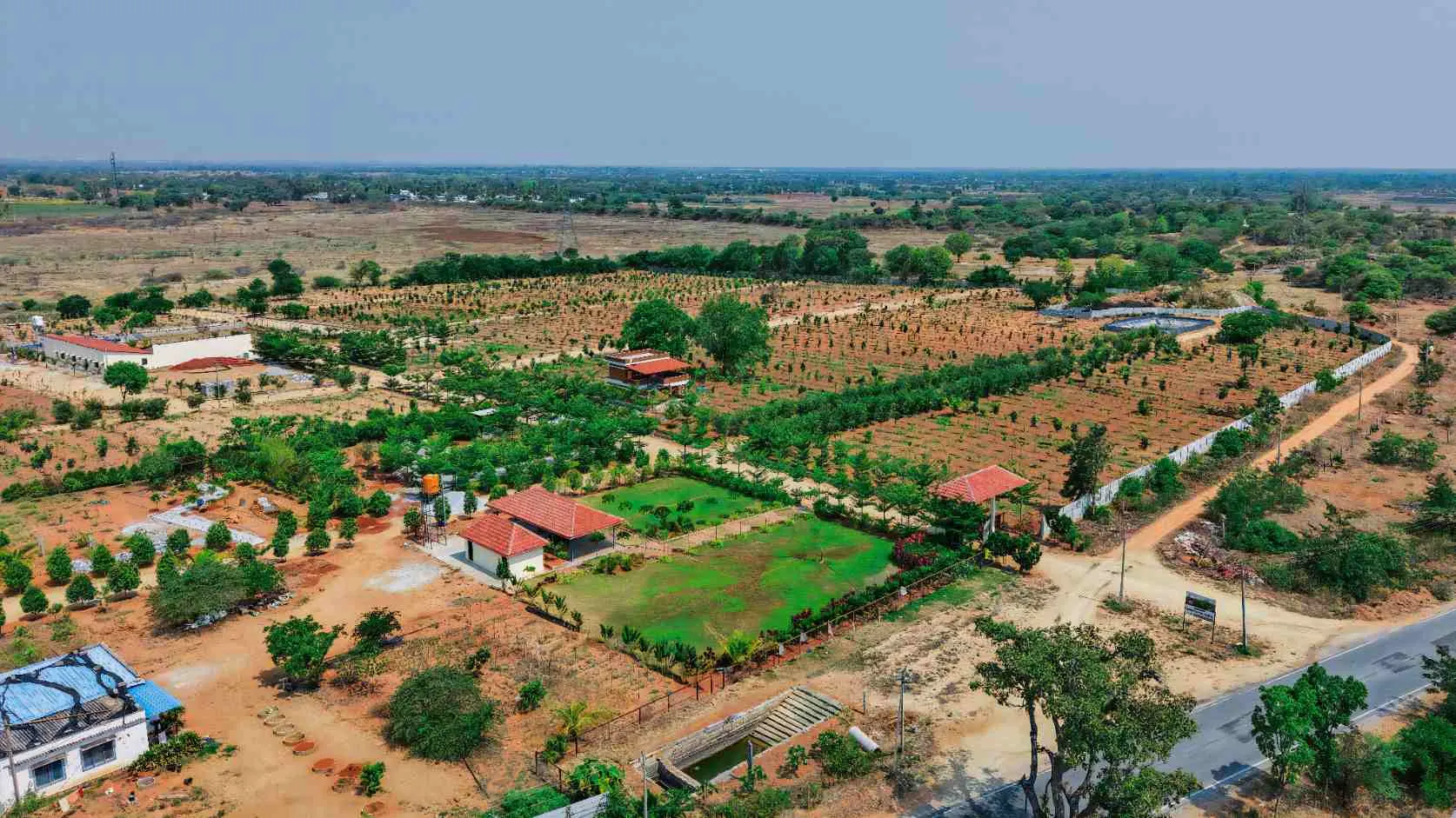
In recent years, India has seen a major shift in the way people think about investments and lifestyle choices. Investors are no longer looking only at traditional real estate or stock markets. Instead, many are turning toward eco-friendly managed farmland as a smarter and more sustainable option.
The growing interest in sustainable living, organic farming, and long-term land appreciation has made managed farmland one of the fastest-growing investment trends in India.
For urban families and professionals, managed farmland offers something unique — a combination of nature, wellness, passive income, and long-term asset growth.
Why Eco-Friendly Managed Farmland is Booming in India: Quick Answer
Eco-friendly managed farmland is growing rapidly in India because investors are seeking sustainable assets, long-term land appreciation, passive income opportunities, and healthier nature-based lifestyles.
What is Eco-Friendly Managed Farmland?
Eco-friendly managed farmland refers to agricultural land that is professionally maintained using sustainable farming practices.
Unlike traditional farmland ownership, managed farmland projects handle everything from land maintenance and irrigation systems to crop management and security.
This allows investors to enjoy farmland ownership without dealing with the day-to-day challenges of farming.
Most eco-friendly farmland projects also focus on organic farming, water conservation, soil health, biodiversity, and sustainable agriculture methods.
This makes the investment environmentally responsible while also improving long-term land productivity.
Why Managed Farmland is Growing Rapidly in India
People today are becoming more conscious about where they invest their money. Investors are now looking for assets that are both profitable and environmentally responsible.
Eco-friendly farmland aligns perfectly with this mindset. It offers long-term appreciation while supporting sustainable agriculture and green living.
As awareness around climate change and environmental protection increases, eco-conscious investments are becoming more popular across India.
Urban Stress and the Need for Nature
Life in major cities has become increasingly stressful. Traffic, pollution, and fast-paced lifestyles are pushing people to reconnect with nature.
Managed farmland offers a peaceful escape from urban chaos. Many investors see farmland not only as an investment but also as a lifestyle asset where they can spend time with family and enjoy natural surroundings.
This emotional connection is one of the biggest reasons why eco-friendly farmland is booming today.
Growing Interest in Organic and Chemical-Free Farming
Consumers are paying more attention to food quality and health. Organic produce and chemical-free farming are no longer niche concepts.
Eco-friendly farmland projects often use sustainable farming techniques that improve soil quality and reduce chemical dependency.
This growing demand for healthier food has increased the value and importance of sustainable agricultural land.

Passive Ownership with professional management
One of the biggest advantages of managed farmland is convenience.
Traditional farmland ownership can be difficult for urban investors because it requires regular supervision, farm labor management, water management, and crop planning.
Managed farmland companies take care of these responsibilities professionally.
This makes farmland investment accessible even for people with no farming experience.
Strong Long-Term land appreciation
Land has always been considered a valuable asset in India. However, agricultural land near growing cities is seeing even stronger appreciation due to increasing demand.
Eco-friendly managed farmland projects located near cities like Bangalore, Hyderabad, and Chennai are attracting investors because of limited land availability, growing urban expansion, and increasing demand for sustainable living spaces.
Over time, this creates strong potential for capital appreciation.
Sustainable Farming Supports the Environment
Eco-friendly farming practices help protect natural resources and promote long-term sustainability.
Many managed farmland projects focus on rainwater harvesting, drip irrigation, natural composting, tree plantation, and soil conservation.
These methods improve agricultural productivity while reducing environmental impact.
As sustainability becomes more important globally, environmentally responsible farmland investments are gaining significant attention.
Wellness and Lifestyle Benefits
Farmland ownership is no longer just about agriculture. It has become part of a healthier lifestyle movement.
People are increasingly drawn toward farm stays, weekend nature retreats, eco-living, and outdoor wellness experiences.
Spending time in natural environments improves mental well-being and reduces stress.
This lifestyle shift is contributing heavily to the popularity of eco-friendly managed farmland in India.
Why Young Investors are Choosing Farmland
Younger investors are focusing more on long-term wealth creation and sustainable assets.
Unlike speculative investments, farmland provides tangible ownership, real asset security, potential passive income, and long-term appreciation.
Managed farmland also fits well with modern investment trends focused on sustainability and responsible living.
This is why many first-time investors are exploring agricultural land opportunities today.
The Future of Eco-Friendly Farmland in India
India’s agricultural sector is evolving rapidly. Sustainable farming, regenerative agriculture, and eco-conscious development are becoming major trends.
As cities continue to expand and people seek greener lifestyles, eco-friendly managed farmland is expected to see even stronger demand in the coming years.
Experts believe farmland will continue to grow as a preferred alternative investment asset for urban buyers looking for both financial and lifestyle benefits.
Common Questions About Eco-Friendly Managed Farmland in India
1. What is eco-friendly managed farmland?
Eco-friendly managed farmland is agricultural land maintained using sustainable farming practices, organic cultivation, water conservation, and professional farm management.
2. Why is managed farmland becoming popular in India?
Managed farmland is growing because people are looking for sustainable investments, long-term land appreciation, passive income opportunities, and nature-based lifestyles.
3. Is farmland a good long-term investment?
Yes, farmland is considered a strong long-term asset because of increasing land demand, limited supply, and growing interest in sustainable agricultural investments.
4. How does managed farmland generate passive income?
Managed farmland projects may generate returns through crop cultivation, farm produce, long-term land appreciation, and professionally managed agricultural operations.
5. What are the benefits of sustainable farming?
Sustainable farming helps improve soil health, water conservation, biodiversity, environmental protection, and long-term agricultural productivity.
6. Why are urban investors choosing eco-friendly farmland?
Urban investors are attracted to eco-friendly farmland because it offers peaceful natural surroundings, wellness benefits, eco-living experiences, and long-term wealth creation.
7. What makes managed farmland different from traditional farmland?
Managed farmland is professionally maintained, allowing investors to enjoy farmland ownership without handling farming operations, labor management, irrigation, or maintenance challenges.
For modern investors, eco-friendly managed farmland offers a rare balance of sustainability, long-term financial growth, and a healthier connection with nature.
Conclusion
Eco-friendly managed farmland is more than just a real estate trend. It represents a shift toward sustainable living, responsible investing, and long-term environmental awareness.
For modern investors, managed farmland offers a rare combination of financial growth, lifestyle value, and connection with nature.
As India moves toward greener and more sustainable development, eco-friendly farmland is likely to play an important role in the future of investment and agriculture.